

Over the past few years, solar power has risen as a favored and efficient way for residents to lower their carbon emissions while concurrently cutting energy bills. The transition towards green living has increased the interest for solar panel installation, making it a attractive option for those seeking to harness the power of the solar source. Whether Solar Panel Installation Chinnor are a new homeowner thinking about solar energy or someone seeking to upgrade your existing system, comprehending the nuances of solar panel deployment is vital.
This comprehensive guide is created to walk you through everything you need to know about deploying solar panels on your property. From the preliminary decision-making process and financial considerations to the actual installation and maintenance, we will discuss all aspects of implementing solar. You'll discover how this investment not only aids in cutting energy costs but also boosts your home's value and supports energy independence. By the end of this guide, you will have the tools with the knowledge to make wise choices that align with your energy needs and green aspirations.
Understanding Solar Energy System Setup
The installation of solar panels involves numerous key steps that change solar energy to usable power for the house. Essentially, the process starts by performing a thorough assessment of the premises to evaluate its capacity for solar energy. Variables including the direction of the roof, shadowing, and patterns of energy use heavily affect the performance of solar panels. Residents must likewise evaluate the form of solar panels that most fit their preferences, and the total configuration and layout of the solar energy system.
Once a choice is taken regarding the solar system's design, the real installation takes place. This typically entails mounting the solar modules on the roof or on ground-based frameworks, linking the modules to the inverter, and connecting the system to your electrical panel. During this process, careful attention is vital to ensure that all parts function together and adhere to local regulations and safety standards. Collaborating with skilled professionals can facilitate this process and minimize potential problems.
Post installation, users need to grasp the lasting implications of their solar panel system. Tracking performance, upkeep responsibilities, and comprehending guarantees are important to enhance the advantages of your investment. Additionally, the impact of weather conditions on solar panel performance and the potential for energy storage strategies play vital parts in the overall efficiency of the system. Homeowners should stay updated to completely understand how solar energy can improve their lifestyle while contributing to sustainability.
Advantages and Pricing of Solar Panels
Installing solar panels can offer substantial financial advantages for homeowners. One of the primary advantages is the diminution in electricity bills. Solar panels create power from sunlight, enabling homeowners to lean less on traditional power supplies, which can drastically reduce monthly utility costs. In multiple situations, homeowners may additionally produce excess energy and return it back to the grid, additionally enhancing their savings. Additionally, the placement of solar panels can raise a home's value, making it a valuable investment when weighing long-term financial gains.
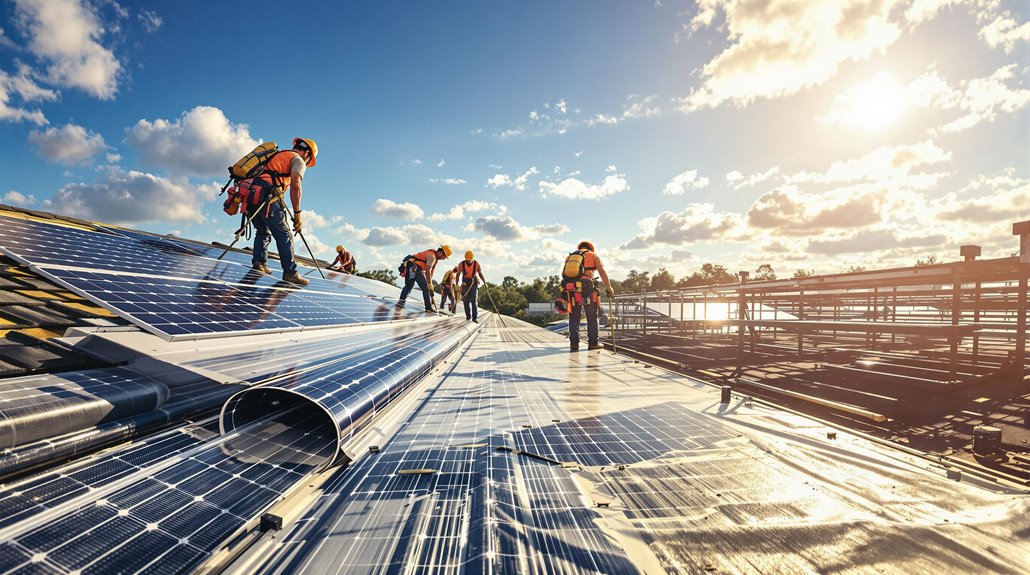
The price of solar panel installation differs based on several variables, including the size of the array, the type of panels selected, and the complexity of the installation. While the first investment can seem substantial, various funding methods and incentives are available to help offset costs, including federal tax breaks, state rebates, and financing plans. Homeowners should conduct a careful cost-benefit analysis to determine the potential savings over the duration of the solar system, which typically varies from 25 to 30 years.
In conjunction to financial savings, solar panels provide environmental benefits by decreasing carbon emissions and promoting energy independence. Homeowners spending in solar energy play a part to a cleaner, more sustainable future by reducing reliance on fossil fuels. With climate change becoming an increasingly pressing issue, the role of solar energy in lowering greenhouse gas emissions cannot be exaggerated. Utilizing solar technology not only helps individual households financially but also contributes to a larger transition towards renewable energy sources.
Preparing for Photovoltaic Installation
Before the deployment of solar panels, residents must take various key measures to ensure a smooth process. First, it's vital to conduct a detailed assessment of your roof's integrity. Inspect for any necessary repairs, such as broken shingles or water damage, as these issues should be addressed prior to installation. Additionally, assess the orientation and shading of your roof, as this can significantly affect solar panel performance. Proper orientation towards the sun and minimal obstruction from trees or other buildings will help maximize energy efficiency.
Next, gather all necessary documentation needed for permits and approvals. Depending on local regulations, certain approvals may be needed before installation can start. This could require submitting documents to your local building authority, as well as validating adherence with zoning regulations. Engaging with a certified installation company early in the stage can help simplify this paperwork and avoid extraneous delays. They are well-versed in local requirements and can guide you on what is required.
Finally, preparing your home for the installation date is important. Clear the space around your home w here the installers will be working, ensuring easy access to the roof and any equipment. If relevant, notify your neighbors about the upcoming work, especially if you expect any disruptions. This level of readiness not only aids the installers but also sets a positive tone for the project, making the installation process efficient and problem-free.