

For many individuals, the absence of a tooth can feel like a major blow to their self-esteem and overall self-confidence. Yet, with progress in dental science, dental implants have emerged as a revolutionary solution, allowing countless people to reclaim their grins and their self-assurance. Whether resulting from injury, decay, or other dental issues, the effects of missing teeth goes far beyond appearance — it can affect speech, eating habits, and even mental health. In this detailed guide, we will explore all there is to know about dental implants and restorations, from the fundamentals to the complex details of the procedures involved.
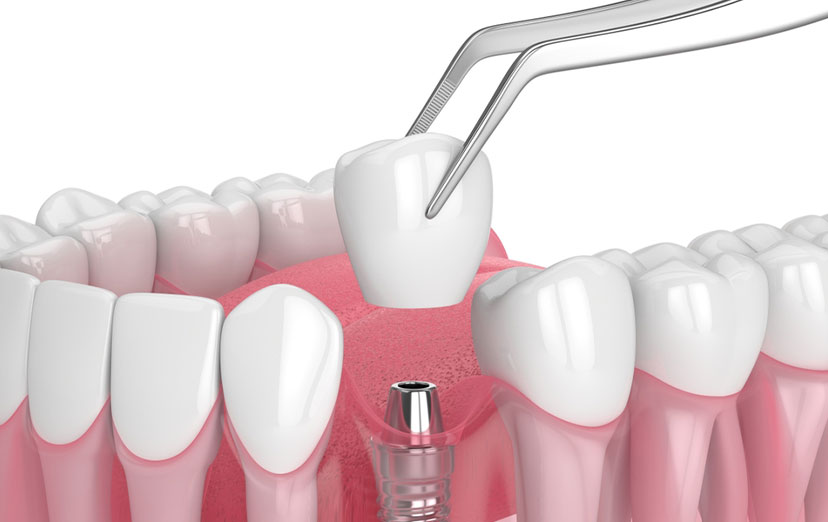
Dental implants offer a reliable, long-term solution for missing teeth and come with a range of advantages that can enhance not only your smile but also your overall oral health. As we delve into the detailed process of dental implants, discuss the comparisons with traditional bridges and dentures, and address frequent concerns and questions, you will gain a deeper understanding of how this innovative treatment can make a profound difference in your life. Let's discover the self-assurance that comes with a beautiful, practical smile.
Comprehending Oral Implants
Dental prosthetics are cutting-edge tooth restoration options crafted to provide a durable option for individuals with lost teeth. They consist of a titanium implant that is surgically placed into the bone of the jaw, acting as a replacement for the root of a tooth. This post integrates with the bone through a method called bone integration, providing a sturdy foundation for replacement teeth. Unlike classic false teeth, which can shift or cause pain, oral implants offer stability and function like natural teeth.
The benefits of oral implants extend past aesthetics. They help protect bone health by preventing jaw loss that often occurs when teeth are missing. Prosthetics also maintain the shape of the face, which can alter significantly with tooth loss. Many individuals report an better ability to eat and speak, improving their well-being. This restoration not only aims to enhance dental aesthetics but also deals with crucial health issues related to oral health.
When considering dental implants, it is vital to speak with a qualified dental professional who can evaluate individual requirements and determine suitability. Factors such as bone density, dental health, and general health history play a significant role in the suitability for implants. With progress in tech, including 3D scans, the planning and implementation of implant procedures have become more accurate, resulting in higher success rates and greater patient satisfaction.
Advantages and Considerations
Implant dentistry offer numerous advantages that contribute to improved quality of life. One of the key advantages is the reconstruction of a realistic smile, which can boost self-esteem and confidence. Unlike traditional dentures, dental implants integrate with the jawbone, providing a stable solution that mimics the function of natural teeth. This stability allows individuals to enjoy their preferred foods without worry, promoting better nutrition and overall oral health.
However, t here are key considerations to keep in mind when contemplating dental implants. The procedure requires a commitment to oral hygiene and regular dental check-ups to maintain prosthetic health. Additionally, not everyone is a candidate for dental implants, especially if bone density is lacking. Patients may need preliminary procedures like bone grafting to ensure a strong foundation for the implants, which adds duration and cost to the process.
It is also crucial to understand the financial aspects of dental implants. While they can be more expensive upfront compared to other restorative options, such as dentures or bridges, their longevity and minimal maintenance requirement often make them a cost-effective choice in the future. Exploring payment plans and insurance coverage can help ease the financial burden for those considering this life-changing dental solution.
Procedure and Aftercare
A dental implant procedure typically begins with a comprehensive consultation and evaluation to ascertain if you are a appropriate candidate. This entails imaging tests, such as X-rays or 3D scans, to evaluate bone density and structure. If needed, bone grafting may be performed to create a stable foundation for the implant. During the specific surgery, the dentist inserts the implant into the jawbone, and over the next few months, the implant fuses with the bone in a process called osseointegration.
After the procedure, adequate aftercare is crucial for effective recovery and integration of the implant. Patients are commonly advised to avoid hard foods and vigorous activities for a designated period. Pain and swelling may be alleviated with prescribed medications and cold compresses. Most importantly, keeping excellent oral hygiene is essential to prevent infection around the implant site. Regular follow-ups with your dentist will help monitor the healing process and ensure the implant is integrating well.
Once healed, caring for your dental implants involves routine dental check-ups and maintaining daily oral hygiene practices. It is crucial to brush and floss around the implant and its restoration just as you would your natural teeth. Avoiding tobacco products and adhering to a balanced diet will contribute to the longevity of your implants. With the appropriate aftercare, dental implants can last many years, providing not just functional benefits but also significant improvements in self-confidence and quality of life.