

The realm of real estate development is immense and intricate, with numerous factors affecting the outcome and lawfulness of a venture. One crucial aspect that often gets overlooked is the notion of Right of Light. This legal right allows landowners to experience unobstructed daylight to their areas, and understanding it is crucial for anyone involved in construction or development. Surveys on Right of Light play a critical part in assessing whether a planned project will infringe upon existing entitlements, making them an invaluable tool for contractors, designers, and homeowners alike.
In this piece, we will explore the nuances of Surveys on Right of Light, investigating their significance, the procedures involved, and the benefits they provide. From preventing costly legal disputes to aiding in effective planning applications, a strong understanding of Light Rights issues can save hours and resources. Whether a seasoned real estate developer or a property owner thinking about an addition, this thorough guide will shine a light on the key components of Surveys on Right of Light and their significance in today’s urban development landscape.
Comprehending Right of Light Surveys
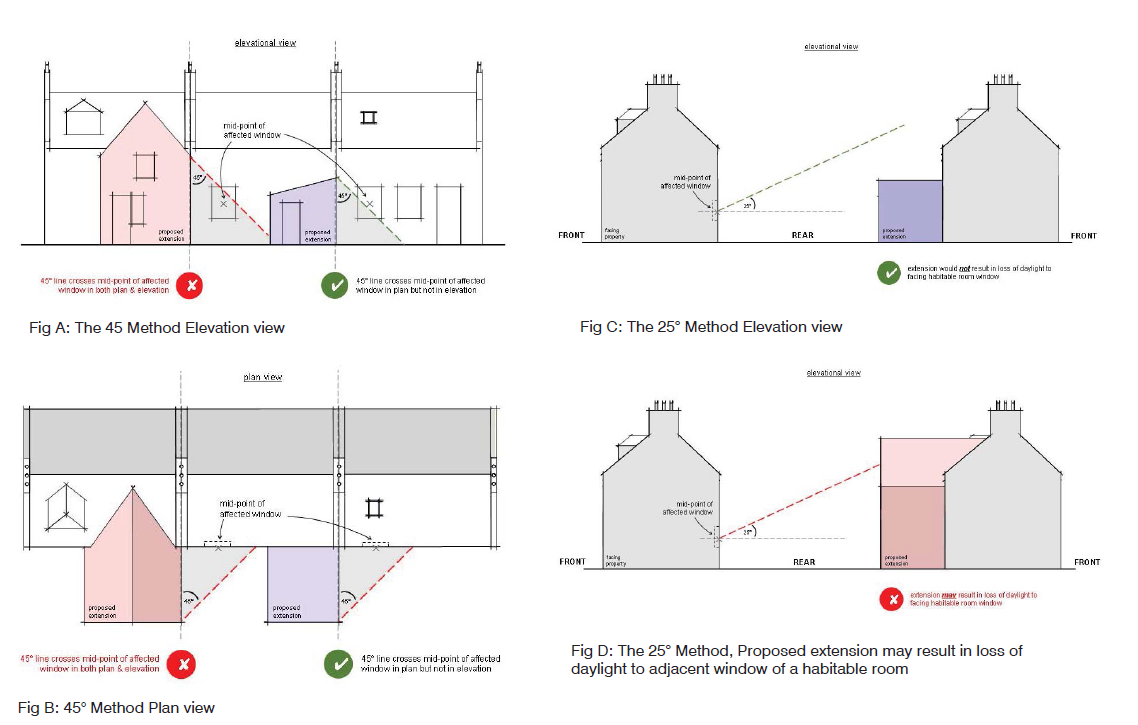
Right of light surveys are specialized assessments that assess the effects of proposed developments on existing illumination availability to neighboring properties. These assessments are vital for property developers and homeowners alike, as they help determine if a planned project will infringe upon the rights to light of neighboring buildings. By quantifying illumination levels, identifying potential barriers, and analyzing existing legal rights, these surveys provide essential insights that can influence project designs and planning permissions.
The importance of right of light surveys lies in their capability to stop legal disputes over light availability. A real estate owner may have gained rights to illumination through ongoing use over a defined period, typically 20 years, and any recent construction that adversely affects this illumination can cause claims for compensation or even legal actions. By conducting a assessment early in the development process, property developers can reduce the potential of conflicts with adjacent property owners, thereby conserving time and resources while guaranteeing adherence with legal standards.
In addition to their legal consequences, light access assessments also play a important role in urban development and development proposals. Comprehending how a planned building will impact light access can direct design adjustments that enhance both aesthetic and functional aspects of a development. By strategically addressing light concerns, builders can boost their chances of obtaining planning approval and raise the overall worth of their projects, making these surveys an critical tool in the construction and real estate industry.
The Significance of Right of Light in Property Development
The right of light is a crucial legal concept in property development, vital for ensuring that new constructions do not obstruct the daylight received by neighboring properties. This right can affect architectural choices, project feasibility, and even the financial viability of construction projects. If website and tackling right of light issues early in the planning process, developers can reduce potential issues, leading to smoother project execution.
In the realm of urban development, where space is often scarce, having a clear understanding of right of light laws is essential. Developers must take into account existing rights of light asserted by neighboring properties, as these rights can determine the maximum height and positioning of new buildings. Failing to do so could result in conflicts, project delays, or even costly litigation that could endanger the entire development. Thus, right of light assessments play a crucial role in assessing these risks and guiding design alternatives.
Additionally, the right of light can impact property values considerably. Properties that are at risk of losing out on their light may see a drop in value, while those that retain their light rights may keep in market worth. Developers need to be proactive in addressing right of light concerns to not only satisfy legal requirements but also to improve the attractiveness of their projects to potential buyers and investors. Recognizing and respecting these rights is crucial for fostering positive relationships within the neighborhood and achieving sustainable success in property development.
Steering Clear of Legal Complications with Right to Light Assessments
As starting property development, comprehending and addressing right of light issues is important to prevent prospective legal disputes. A right of light survey functions as a preemptive measure, assisting developers identify any light obstruction that existing properties might have on their projected development. By conducting these surveys in advance in the planning process, developers can gauge the impact of their projects on neighboring properties’ light access and begin discussions and negotiations that can diminish future conflicts.
Legal challenges often occur when a development is perceived to encroach upon a neighbor's right to light, which can lead to costly litigation and project delays. Engaging a qualified right of light consultant can help accurately analyze the light rights that neighboring properties enjoy and the extent to which your proposed development may impact those rights. By providing comprehensive data and assessments, consultants can aid in managing relationships with neighbors and handling potential grievances before they escalate into formal disputes.
Furthermore, comprehending the legal framework surrounding rights of light is vital for guaranteeing compliance throughout the development process. Neglect to address right of light issues can lead to injunctions, claims for damages, or even the necessity to redesign or cease construction. By focusing on right of light surveys and incorporating their findings into project planning and design, developers can protect their investments, maintain good relationships with neighbors, and simplify the route towards successful project completion.