

For anyone who works as a tree care specialist, having the appropriate tools is essential to ensure the job is done effectively and safely. The life of a tree surgeon involves a range of tasks, from trimming and trimming to assessing tree health problems and performing removals. Having trusted equipment not only makes these tasks easier but also helps avoid accidents and promotes the health of the trees in their care.
In this article, we will explore the top five tools that every tree surgeon simply cannot get by without. Whether you are a experienced professional or someone contemplating a career in tree care, understanding the significance of these tools will ensure that you are ready for any issue that comes your way. As we dive deeper, we will explore why these tools are important for maintaining tree health and safety, connecting them with broader topics such as tree maintenance and emergency services.
Vital Tools for Arborists
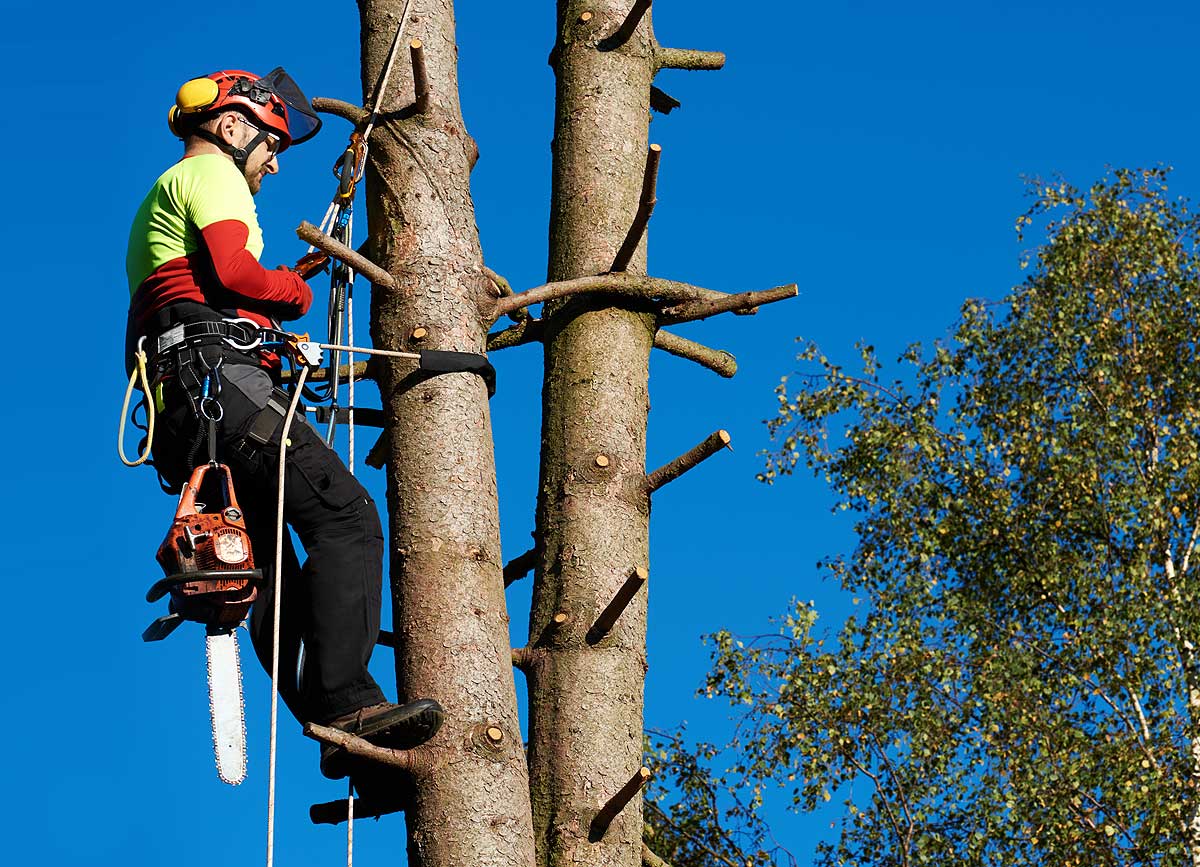
Tree surgeons rely on a range of necessary tools to carry out their work securely and efficiently. One of the most important tools is the power saw. This essential tool is crucial for cutting through thick branches and even whole trees. The ability to manage a range of trees and to perform detailed cuts makes chainsaws indispensable for arborists. Consistent maintenance and well-maintained blades are crucial to guarantee the safety and effectiveness of this tool.
Another important tool is the climbing harness and rope system. Tree surgeons often work at elevations, and a reliable harness is crucial for safety. This equipment allows them to maneuver through trees while securely attached, avoiding falls and making sure they can work on branches that are hard to reach. Coupled with gear, these tools enable arborists to safely access and maintain trees at various heights.
Finally, manual tools such as pruning shears, loppers, and manual saws are important for detailed work. While tree cutting services can handle bigger jobs, these more compact tools allow for accurate cuts and are especially useful during the pruning process. Having a comprehensive toolkit with these manual tools ensures arborists can address the individual needs of each tree, whether it's for trimming, shaping, or taking out diseased branches.
Understanding Arboreal Wellness Indicators
Noticing the signs that a tree needs expert attention is vital for its overall well-being and security. The first step in determining tree health is to search for visible signs of stress, including wilting leaves, yellowing foliage, or overly leaf drop. Additionally, if you notice dying branches or a thin canopy, it may indicate that the tree is in trouble. Property owners should also be cognizant of the necessity of regular inspections, as many issues, including pests or disease, often go unnoticed until they become severe.
Monitoring the tree’s framework is another crucial aspect of evaluating health. If you notice cracks in the trunk, an abnormal lean, or signs of root damage, these can be signals that the tree is dangerous and might require removal. Moreover, keeping an vigil on the soil around the tree is essential; signs of decay, including fungal growth at the base, suggest that the roots may be damaged. Understanding these structural indicators can help in making timely decisions about tree care and maintenance.
Lastly, seasonal changes can affect the health of trees, making it critical to observe them throughout the year. For instance, during spring, vigorous trees should show lush new growth, whereas in winter, evergreens should maintain their color. Awareness of these seasonal cues can help homeowners in deciding whether to seek advice from a certified tree surgeon. By being vigilant about the indicators mentioned, you can make certain your trees stay in good health and safe in your environment.
Whenever to Seek Expert Help
Realizing when to hire a tree surgeon is crucial for upkeeping the health and safety of your trees. If you notice any signs of problems, like browning leaves, strange growths, or color changes, it's best to consult a professional. Additionally, if you detect structural issues like slanted trunks or breaks in the bark, these might mean that your tree is at danger of falling, posing a threat to your home and family. Recognizing these red flags early can avert further damage and costly repairs.
Temporal changes can also impact tree health greatly, therefore it’s crucial to seek help during particular times of the year. Ahead of storm season, trees need to be evaluated for stability and pruning may be needed to eliminate dead branches that could become unsafe in high winds. In furthermore, after intense weather events, if a tree falls, it is vital to get immediate help for removal and to check any damage to your property.
Lastly, if you find yourself in need of to consider trimming, pruning, or even contemplating tree removal, a tree surgeon can provide expert guidance. They will help you understand the distinctions between these services and advise on the best options for your unique situation. Regular consultations with a professional ensure your trees continue to be healthy and improve your property’s overall safety and aesthetics.