

Regarding property ownership, ensuring the safety and functionality of your electrical systems is essential. An Electrical Installation Condition Report, commonly referred to as an EICR, functions as a vital tool in analyzing the state of your wiring and electrical components. Whether you're a homeowner, landlord, or commercial property owner, recognizing the significance of these inspection reports can help protect both your investment and the individuals inside the space.
In this article, we will examine everything you need to know about Electrical Inspection Condition Reports. From understanding what an EICR entails to the legal requirements for landlords, we will cover the key aspects and address usual questions. By getting acquainted with the processes and findings associated with these reports, you can make informed decisions about maintaining your property and ensuring a safe environment for all.
Grasping EICRs
An Electrical Condition Report, commonly known as an EICR, is a crucial document that assesses the security and status of a premises' electrical systems. It is usually generated following a thorough inspection conducted by a licensed electrician. This report detects any potential dangers, allowing landlords to take required action to ensure their electrical installations are safe and aligned with current regulations.
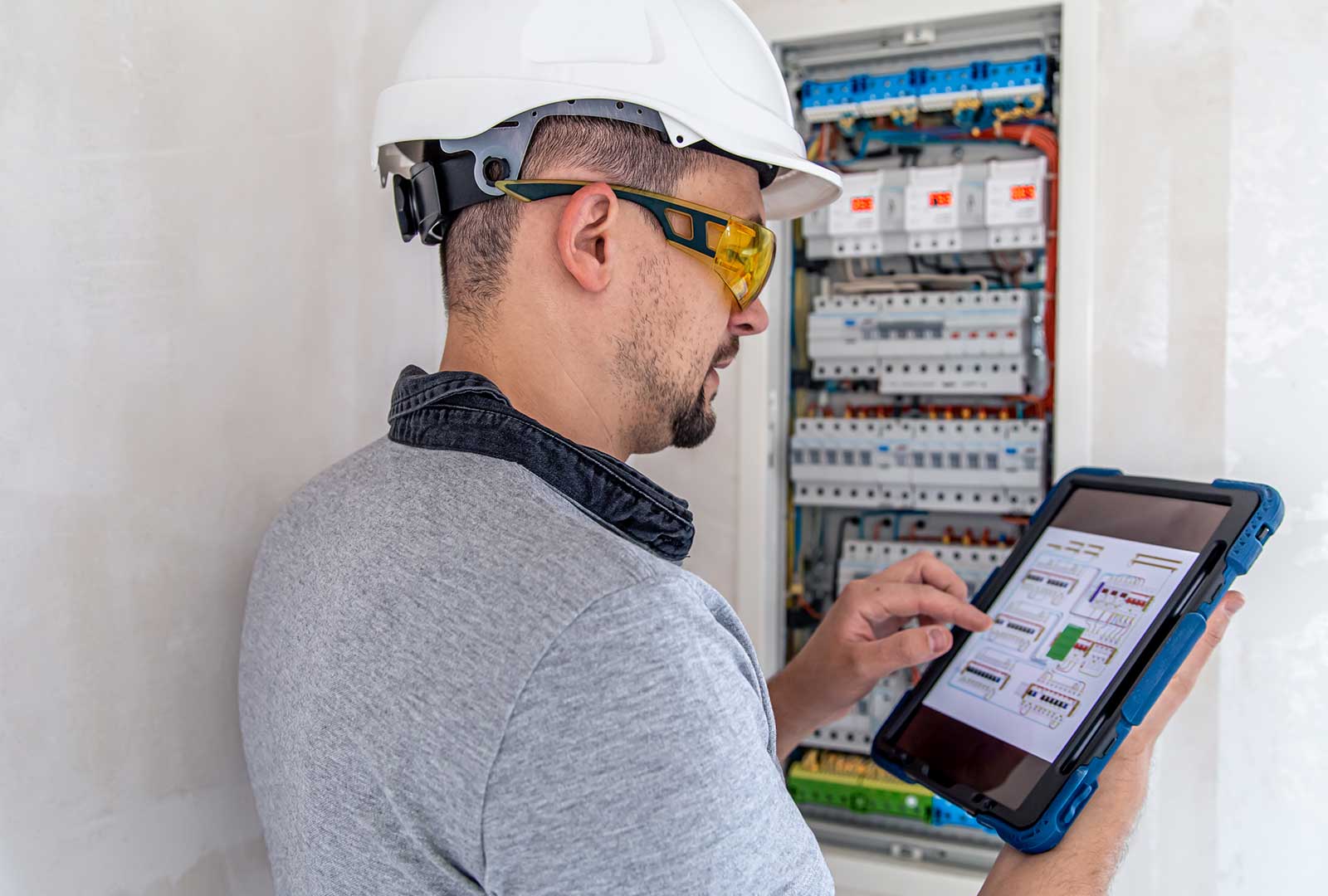
The EICR fulfills several purposes, including verifying that electrical installations are working properly, evaluating whether any circuits or equipment are excessively used, and inspecting for any damage that could present safety concerns. It becomes particularly crucial for homeowners to ensure compliance with legal requirements while ensuring that their properties are safe for tenants.
Furthermore, the findings in an EICR are classified based on their seriousness, ranging from unsatisfactory to good, which helps landlords understand pressing concerns and prioritize repairs. Consistently obtaining an EICR not only safeguards the wellbeing of residents but also increases real estate value by showing a devotion to maintaining a healthy environment.
Value of Regular Electrical System Inspections
Frequent electrical inspections are vital for ensuring the safety and functionality of all property. Electrical infrastructures can deteriorate over the years due to age, environmental factors, or incorrect handling. By conducting regular inspections, property owners can identify possible hazards, minimize risks, and ensure that their wiring and systems meet current regulations. This proactive approach not only protects occupants but also improves the longevity of electrical systems.
Furthermore, regular check-ups provide peace of mind for property owners and renters alike. Having the knowledge that the electrical systems have been carefully inspected and are working properly can reduce concerns about possible electrical failures or accidents. This confidence is especially crucial in rental situations, where property owners have a responsibility to provide safe living environments for their tenants. Ensuring adherence with electrical codes and laws through routine inspections can also ease liabilities for property owners.
Financially, investing in regular system inspections can save landlords a considerable amount of costs in the future. Spotting and addressing small issues before they develop into major problems can prevent costly repairs and replacements. Additionally, regular check-ups can lead to more efficient energy use, reducing utility costs. For homeowners and rental property owners alike, establishing a routine inspection schedule can lead to safer, more efficient, and ultimately more profitable real estate.
Getting Ready for a Electrical Systems Review
Before the electrical inspection, it is important to make sure that your property is ready for the evaluation. Start by clearing obstructions to the primary electrical box and all areas where wiring or electrical components are installed. Eliminate all clutter or debris that could impede the electrician’s ability to perform a thorough review. This will not only facilitate the procedure but also demonstrate your dedication to upholding a safe electrical system.
Afterward, check your property’s electrical records, if accessible. Gather https://rentry.co/ or service records related to the electrical infrastructure. Being informed about previous issues or improvements can assist the inspector understand the present state of your wiring and appliances. Moreover, consider addressing all noticeable problems before the inspection, such as flickering lights or blown circuit breakers, as this will help a clearer picture of your electrical setup's condition.
Finally, ensure that every relevant parties are aware of the inspection time and appointment. If you are a property owner, let your renters about the upcoming inspection and encourage them to notify you of any electrical issues they may have experienced. Open communication can streamline the process and reduce potential confusions. By adequately preparing your premises and engaging everyone concerned, you will help the inspector perform a more efficient and thorough inspection.