

The journey to achieving a flawless smile is frequently a blend of craftsmanship and expertise, with dental implants standing out as one of the most remarkable innovations in restorative dentistry. For those facing tooth loss, implants provide not just a practical solution but also a means to renewed confidence and improved quality of life. As we examine the world of dental implants and restoration, we will uncover key facts, procedures, and the transformative power they hold for individuals aiming to reclaim their smiles.
From understanding the step-by-step process of implants to comparing options like dental bridges, this comprehensive guide will serve as your definitive resource. We'll discuss everything you need to know, from the consultation process to the healing journey after surgery. Whether you are contemplating a one tooth replacement or a complete mouth restoration, our exploration will empower you with understanding and clarity on the choices available, helping you make informed decisions about your dental health.
Grasping Oral Implants
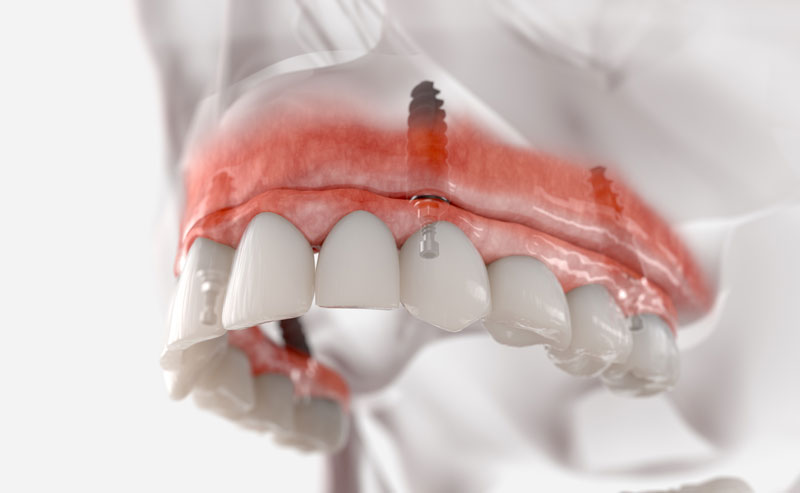
Tooth implants are sophisticated dental devices intended to replace missing teeth and restore function and appearance to the smile. They consist of 3 main parts: the implant, which is medically placed into the jawbone; the joint, which attaches the post to the prosthetic crown; and the artificial tooth, the exposed section of the crown that resembles genuine teeth. This multi-part framework ensures a robust and dependable solution for missing teeth.
One of the main benefits of dental implants is their capability to embed stably into the jawbone, giving a solid base for the new teeth. This fusion with the jawbone, known as osseointegration, plays a critical role in the extended reliability of the implant. Unlike classic dentures or bridges that may slide or require glue, implants seem and perform like lived-in teeth, allowing individuals to eat, communicate, and beam assuredly.
Additionally, oral implants contribute to overall dental well-being by staving off erosion in the jawbone that can happen after losing a tooth. The encouragement of the bone through the implant helps maintain its thickness and integrity, promoting improved oral health in the long run. As technology advances, the oral implant procedure becomes more precise and effective, making it an progressively preferred option for those wanting rehabilitate their oral appearance.
The Dental Implant Process Explained
The dental implant procedure begins with a thorough evaluation and examination of the person's oral health. During this initial appointment, the oral surgeon will evaluate the condition of the gum tissue and jawbone to assess if the individual is a suitable candidate for dental implants. This typically involves X-rays or three-dimensional imaging to map out the treatment plan accurately. Grasping the patient’s clinical history and any possible risks is important at this point to ensure a successful result.
Once deemed a good candidate, the initial phase in the real procedure is the surgical of the implant. Dr. Kimmel dental implant specialist involves using localized anesthesia to anesthetize the area, after which the dentist will insert a titanium post into the jawbone, serving as the root of the new tooth. Over the following months, osseointegration occurs, where the bone fuses with the implant, providing a solid foundation for the final crown. After this recovery period, an abutment is fixed to the implant, which will secure the crown in place.
At last, the last stage of the process involves fabricating and installing the custom-made crown or cap. The dentist will obtain impressions of the mouth to ensure a perfect fit and lifelike appearance. Once the crown is ready, it is securely bonded to the connector. Patients will receive guidelines on caring their recently placed dental restoration to ensure enduring success. Throughout this journey, interaction with the dental professionals is essential for addressing any issues and ensuring ease.
Taking Care for Your Implants
Caring for your dental implants is important for their durability and performance. Consistent oral hygiene practices such as brushing, use of dental floss, and using an anti-bacterial mouthwash should be followed to prevent the buildup of plaque and bacteria around the implant site. It is vital to treat your implants like real teeth—maintain them twice a day and set up routine dental check-ups to monitor their condition.
In addition to daily oral care, consider using soft-bristled toothbrushes and specialized floss meant for implants to avoid damaging the sensitive surrounding tissues. Your dentist may suggest specific cleaning techniques tailored to your implant type, guaranteeing you attain optimal cleanliness without compromising the integrity of the restoration. Maintaining a steady routine will help keep your dental implants in excellent condition.
In conclusion, staying aware of any changes in your oral health is imperative. If you experience discomfort, swelling, or any unusual symptoms around your implants, get professional advice promptly. Early detection and intervention can prevent complications and protect your investment in your smile, helping you reap the benefits of your dental implants for a long time to come.