

Obstructed drains are a common home problem that can lead to irritating and expensive plumbing problems if not dealt with quickly. Whether it is a lingering kitchen sink or a blocked shower drain, comprehending the causes and solutions to these problems can help you conserve valuable time, dollars, and a lot of stress. In the following article, we will investigate the art of unclogging drains and provide you with creative solutions to efficiently clear your drainage system.
From the top signs that your drainage is about to get blocked to the most effective natural solutions for clearing clogs, we'll cover 3o typical factors of clogged drains and ways to avoid them. We will also talk about when it’s most advisable to address drain clogs on your own versus when to contact a plumbing expert. With the right knowledge and resources, you can keep your drainage running efficiently and avoid the expensive consequences of overlooked drain care. Come along as we dive into the world of unclogging drains and uncover the secrets to successful unclogging.
Common Causes and Prevention of Obstructed Pipes
Blocked drains are often caused by a accumulation of typical household materials. Strands of hair is a major culprit in toilet drains, as it easily accumulates and mixes with soap residue to form difficult clogs. In kitchen sinks, grease and food waste particles frequently add to blockages. Over time, even apparently harmless items like coffee grounds can lead to significant pipe issues if not thrown of properly. Understanding these common causes allows homeowners to implement proactive measures in stopping possible clogs.
To prevent blocked drains, routine maintenance is key. Drain Unblocking Caton Cumbria should adopt simple practices such as using drain catchers to catch hair and other debris before they get into the pipes. It’s also vital to throw away of cooked grease in the trash instead of dumping it down the sink. Educating family members about what can and cannot be disposed down the pipes will significantly reduce the risk of clogs. Incorporating these habits into your daily life can greatly cut down on plumbing emergencies.
Another significant aspect of pipe maintenance includes being aware of seasonal changes variations. For example, during fall, falling leaves can quickly block outdoor pipes if not cleared regularly. Additionally, using natural remedies like baking soda and acetic acid can help break down accumulations without turning to harsh chemicals that may harm the pipe infrastructure. Consistently checking and caring for indoor and outdoor pipes ensures a smoother flow of water and helps prevent costly repairs down the road.
DIY Techniques vs. Professional Help
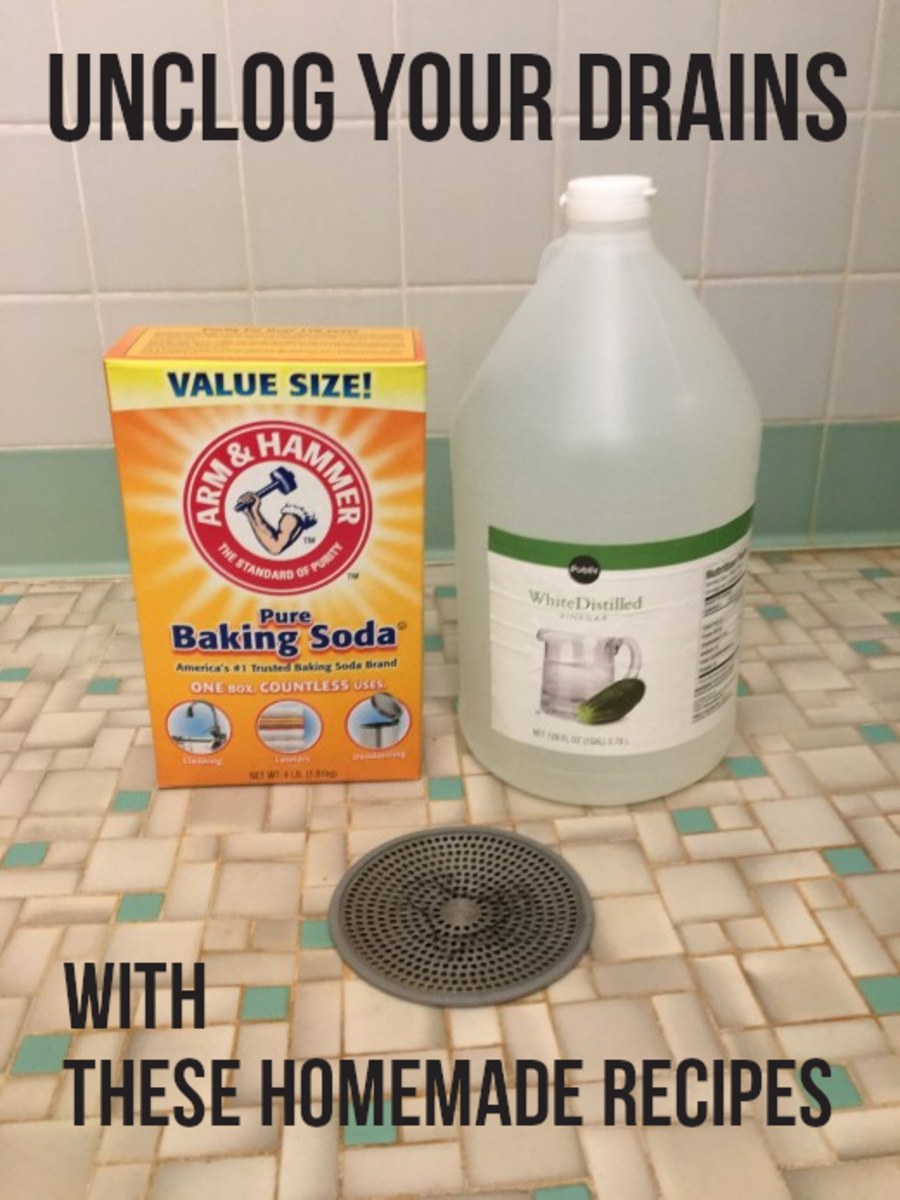
When faced with a blocked drain, many homeowners consider tackling the issue on their own. There are several DIY techniques available that can be helpful for minor clogs. These include using a basic plunger, a plumber's snake, or even home solutions like baking soda and vinegar. These methods can be inexpensive and offer a sense of accomplishment. However, they may not always address more serious obstructions that are deeper in the plumbing system or caused by tree roots and grease accumulation.
On the other hand, there are cases where expert assistance is essential. Plumbers have access to advanced equipment and expertise that can resolve tougher clogs. Techniques like hydro jetting and camera inspection allow them to thoroughly inspect and clear obstructions that do-it-yourself techniques might miss. While hiring a plumber can be more expensive, it often saves effort and prevents further damage to the plumbing system, ultimately being a more efficient solution in complex cases.
Ultimately, the decision between do-it-yourself methods and expert assistance should depend on the extent of the clog. For minor issues, attempting a DIY fix can be worthwhile. However, for persistent or severe blockages, it is advisable to seek help from a professional plumber. This decision is crucial to maintain the integrity of your plumbing system and to ensure that you avoid long-term issues.
Signs of Clogging and Maintenance Tips
Noticing the early signs of a potential clog can help you avoid bigger headaches down the line. Delayed drainage is often the first indication that there is an issue. If you observe that water is not going down quickly in your bathroom tub, this could be a warning sign. Additionally, unusual noises like gurgling in your drains may indicate that there's trapped air, which typically comes before a full blockage. Keep an eye on these early warning signs, as addressing them promptly can avoid serious complications.
Regular maintenance is essential to stopping clogs from becoming a problem in the first place. One helpful strategy is to incorporate a routine cleaning schedule for your drains. This can entail flushing your drains with hot water once a week or using natural remedies like a baking soda and vinegar solution to remove any buildup. It’s also vital to regularly check your sink traps and shower drains for the presence of hair or debris that might obstruct water flow. By monitoring these areas, you can identify possible blockages before they develop into a serious complication.
In business facilities, the risk is greater when it comes to keeping drains clear. Establishing a maintenance schedule tailored to the specific needs of the building is crucial. This can involve routine expert assessments and cleanings, especially in busy zones. Educating employees about proper drain usage is also crucial in preventing clogs. By staying proactive and focusing on routine care, you can minimize the risk of drain clogs and the expensive fixes that usually come with them.