As it comes to maintaining the security and operation of our assets, a crucial element that frequently gets ignored is the status of electrical systems. An EICR, or EICR report, is a vital document that helps property owners comprehend the status of their electrical installations. No matter if you are a homeowner, a landlord, or a business property overseer, learning with these documents can be the crucial factor to upholding a safe and compliant environment.
In this article, we will delve into the key factors of EICRs. We will explore why every real estate needs periodic evaluations, the aspects that your electrical technician evaluates during these assessments, and how make sense of the outcomes. Understanding the implications of an EICR document can help you address foreseen issues before they worsen, ensuring your power systems are up to code and functioning securely. From the duties of property owners to the interval of inspections, we will provide a detailed manual for individuals wanting to navigate the sometimes intricate realm of electrical safety in properties.
Grasping Electrical Setup State Documentation
An Electrical Installation Condition Report, frequently called as an EICR, is a detailed assessment of an electrical system in a property. This report is intended to find any potential hazards, defects, or non-compliance with existing safety guidelines. The main aim is to ensure that the electrical systems within a property are safe for use, and to safeguard both the occupants and the property itself from electrical-related hazards.
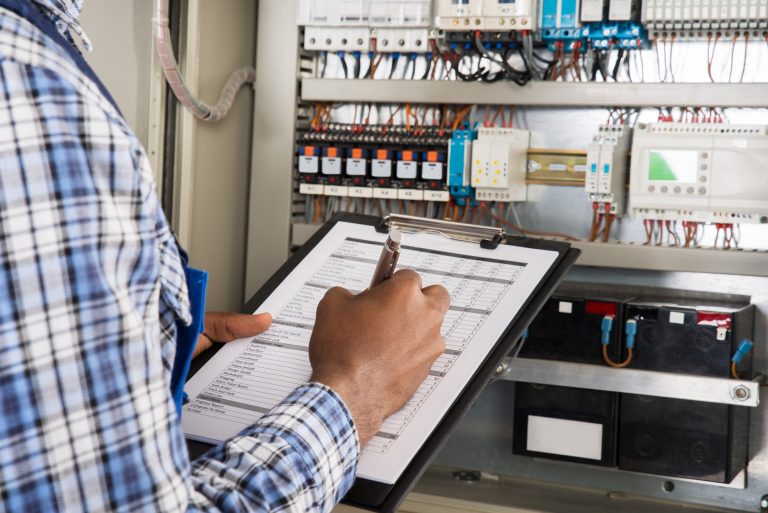
During the inspection, a certified electrician will inspect various components of the electrical installation, including wires, circuit breakers, and any connected devices. They will examine for signs of wear and tear, improper installation, and any likely risks that could lead to electrical injury or fire. The outcomes will be noted in the EICR, pointing out any issues that require attention and assigning a categorization based on their severity.
Understanding the contents of an EICR is essential for real estate owners, landlords, and tenants alike. https://rentry.co/a4b6gtfv includes recommendations for any necessary repairs or upgrades, which can help secure compliance with safety guidelines. Furthermore, regular inspections can lead to better maintenance of electrical systems over time, preserving the value of the property and the safety of those who live in it.
Importance of Regular Electrical Checkups
Regular electrical assessments are crucial for ensuring the safety and functionality of any premises. Over the course of time, degradation on electrical infrastructure can lead to dangers that may not be immediately apparent. Regular evaluations help detect potential problems before they escalate into major concerns, protecting both inhabitants and premises. This proactive approach can prevent electric fires, equipment failure, and other security concerns, ultimately establishing a more secure living and occupational environment.
Moreover, having a up-to-date Electrical Installation Condition Report is often a legal requirement for leasing units. For https://rask-akhtar.hubstack.net/the-reason-electrician-evaluation-condition-records-is-essential-for-safety , it ensures compliance with security standards and provides peace of mind for renters. Consistent inspections not only help satisfy legal obligations but also enhance the value of the property by illustrating a commitment to security and maintenance. This can be a major advantage in a competitive rental market.
Along with safety and regulation, frequent assessments can lead to financial benefits in the long run. Identifying and resolving electrical problems early can stop expensive repairs and waste associated with ineffectual installations. Putting Electrician Inspection Condition Reports Fife in periodic electrical assessments contributes to the longevity of electrical installations, ultimately leading to a more dependable and economical functioning of electrical infrastructure in any premises.
What to Look for In the course of the Electrical Safety Evaluation
Once you schedule a electrical inspection, the technician will initially arriving at your property and introducing their services. They will go over the purpose of the check and any specific issues you want to raise. After identifying your concerns, they will start a thorough review of your electrical systems, including wiring, circuit breakers, and the outlets. This preliminary discussion lays the groundwork for the assessment, making sure that all important components are addressed.
The electrician will perform a series of checks and sight evaluations. They may check the condition of wiring, assess the grounding, and check the effectiveness of safety devices like smoke detectors and residual current devices. You can anticipate them checking for frequent problems such as overloading circuits, exposed wires, and evidence of deterioration. The inspection may also include the evaluation of the installed systems against current regulations and standards to verify adherence and safety.
After the inspection is complete, the technician will present you with their observations in a document. This summary will describe any problems found, categorize their severity, and suggest necessary measures to address those concerns. You can expect advice on how to order repairs and enhancements based on safety concerns and the overall health of your electrical systems. This detailed feedback will enable you make informed decisions about any needed electric repairs in your location.