

In the world of land development, comprehending the concept of right of light is vital for navigating the often complex landscape of development planning and construction. This law safeguards the sunlight that flows into a structure, and its effects can substantially impact both residential and retail projects. As urban areas continue to grow denser, the need for understanding on light rights matters has become increasingly crucial. Real estate developers, designers, and residential owners alike must recognize the potential challenges and possibilities associated with this principle.
Consulting a right of light consultant can be a transformative decision for every individual involved in property development. These consultants offer essential guidance that can help mitigate potential issues before they escalate into expensive controversies. From conducting comprehensive assessments to assisting in negotiations, their skill can prove invaluable in ensuring that developments proceed smoothly while respecting the interests of adjoining properties. In this write-up, we will explore the relevance of right of light, the contribution of advisors in this field, and offer useful tips for property developers seeking to understand the subtleties of light rights in their projects.
Understanding the Right to Light
The right to light refers to a lawful entitlement that enables a property owner to receive natural light through specified openings, such as glass panes. This right is typically recognized when a property has received uninterrupted light for an extended period, often for 20 years or more. The importance of this right lies in its influence on the usability and inhabitability of a property; without sufficient light, spaces can appear cramped and hostile. The law aims to harmonize the needs of property owners while allowing for construction and urban growth.
For construction firms, grasping right of light is crucial as it can considerably affect construction endeavors. If a new construction project obstructs an existing property's access to light, it may lead to conflicts and claims. This can not only delay construction but also result in high-priced alterations to the design. Developers must review these rights during the planning phase to avoid lawful complications and ensure that projects move forward smoothly. Engaging with right of light consultants can provide valuable insights into these matters early in the development process.
The consequences of right of light extend beyond the direct project; they can mold the overall urban landscape. Increasing density in cities often leads to issues regarding light access, which can ignite disputes between neighbors. As urban areas develop, maintaining a balance between development and individual rights becomes key. Comprehending these complexities enables property owners and developers to handle the possible challenges and minimize risks associated with light rights, fostering a harmonious community while allowing for essential growth. spintax #### Assessments and Surveys of Right to Light
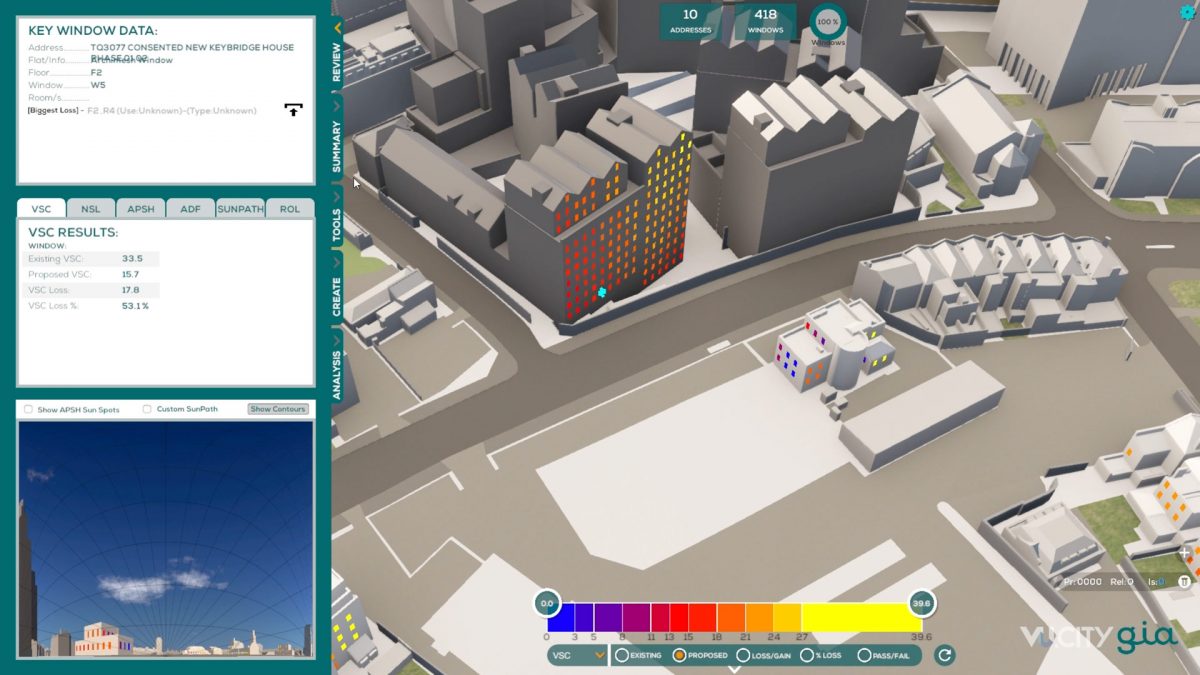
Right of light assessments are vital for every property development project, as they assess the potential impact of a proposed development on the light accessed by adjacent properties. These assessments typically include a detailed analysis of current light conditions, the consideration of relevant legal principles, and the evaluation of how a proposed structure may impact the light rights of adjacent buildings. By spotting potential issues early, developers can lessen risks and avoid costly disputes later on.
Right of light surveys play a crucial role in this process. These surveys are conducted by professional consultants who evaluate the available light at affected properties and create detailed reports that outline the findings. The surveys often make use of tools such as daylight analysis software and 3D modeling to provide a comprehensive view of how construction may alter light conditions. This information is invaluable for developers, as it enables them to make wise decisions about design and positioning.
Commissioning a right of light assessment before commencing a building project is essential for ensuring compliance with legal standards and safeguarding against potential claims from neighboring property owners. It is advisable for developers to work with consultants who specialize in right of light to navigate these complex considerations effectively. By doing so, Right of light Consultants Westminster London can enhance project viability and maintain positive relationships with the community, ultimately contributing to smoother planning and development processes.
Consequences for Property Development
Right of light is a critical factor affecting property development, as it determines the extent to which a new structure can affect the light received by neighboring properties. Understanding these implications is important for developers to avoid costly disputes and delays. A right of light consultant can help spot and assess potential issues early in the design stages, ensuring that projects align with legal requirements and minimizing the risk of challenges from affected neighbors.
The presence of right of light considerations can influence various aspects of a development project, including design decisions, site selection, and overall project feasibility. Developers must account for the existing rights of neighboring properties when designing their buildings, which may require modifications to the height, massing, or orientation of proposed structures. Engaging with right of light experts allows developers to create informed designs that respect the rights of existing residents while maximizing their own development potential.
Furthermore, addressing right of light issues proactively can facilitate easier negotiations during the planning process and help secure the necessary permissions. Developers who dedicate resources in comprehensive right of light assessments and partner with specialists are better positioned to navigate the complexities of property rights. This strategic approach not only reduces risks but also enhances the likelihood of successful project completion.