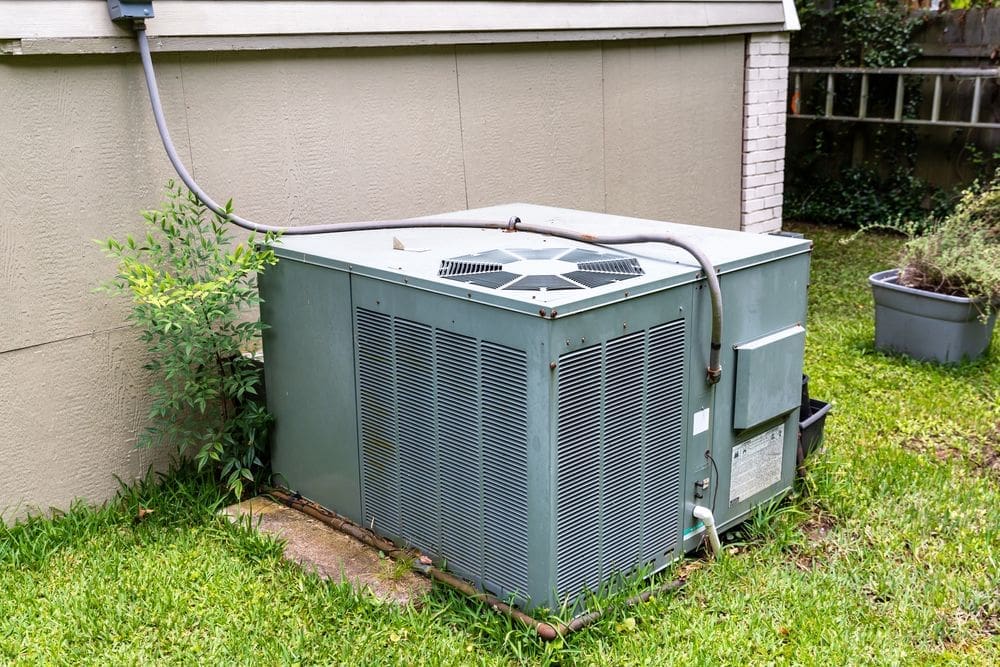
Selecting the best HVAC solution for your home is a crucial decision that can greatly affect your satisfaction and efficiency. With so many options available, it can be challenging to determine which option will suit your preferences. This detailed guide seeks to break down the intricacies of HVAC units, offering insights into diverse types, energy ratings, and necessary maintenance tips.
Comprehending your house's heating, ventilation, and air conditioning needs is the initial step towards making an educated choice. From evaluating energy-efficient options to identifying signs that your existing unit needs attention, this article will provide you with important information on how to improve indoor air quality and enhance comfort year-round. Whether you are building a fresh home, improving your current solution, or seeking ways to enhance your HVAC performance, we have you assisted with professional advice and useful tips all through this guide.
Essential HVAC Maintenance
Routine maintenance is crucial for guaranteeing the longevity and efficiency of your HVAC system. Regular checks can help detect issues before they escalate, saving you from costly repairs in the future. It is advised to schedule professional maintenance at least a single time a year, ideally before the heating or cooling season. During this service, technicians will check important parts, sanitize coils, and assess refrigerant levels, making sure your system is ready to perform at its best.
Homeowners can also partake in HVAC maintenance by regularly changing air filters, which is important for maintaining airflow and indoor air quality. A contaminated filter can block airflow, causing the system to work harder and consume more energy. It is recommended to check filters monthly and swap them at least every three months or sooner if necessary, especially in high-use periods or if you have pets.
Additionally, being watchful about signs that indicate your HVAC system may demand immediate attention is crucial. Odd noises, inconsistent temperatures, and increased energy bills can all signal underlying issues. By being alert and aware of your system's performance, you avoid the risk of unexpected breakdowns and ensure a cozy home environment year-round.
Selecting Your HVAC System
Choosing the appropriate HVAC system for the home involves several important factors. First, evaluate see this of the home and the climate in your area. An HVAC system that is too little cannot effectively heat or cool the space, while one that is too large can result in inefficient energy use and increased costs. Consulting with a specialist can help identify the appropriate size and efficiency standards for the needs, ensuring you obtain optimal performance and comfort.
Additionally, consider the kind of HVAC system that fits the lifestyle and budget. Options include traditional split systems, ductless mini-splits, heat pumps, and even geothermal systems. Every option has its advantages and drawbacks, including installation cost, maintenance needs, and energy efficiency. Researching these systems or consulting with an HVAC expert can help you identifying which system aligns best with your specific requirements and preferences.
Lastly, energy efficiency is a vital factor in the decision-making journey. Look for systems with high SEER ratings, as they indicate superior energy performance. Investing in energy-efficient HVAC solutions not only lowers the carbon footprint but also lowers utility bills in the future. Additionally, think about smart thermostats and zoning systems to further optimize the energy use and enhance comfort throughout your home.
Boosting Indoor Atmospheric Quality
Interior air standards is essential for ensuring a wholesome living environment, as the air within our houses can be even polluted than the air outside. One of the main ways to boost indoor air standards is through the effective functioning of your HVAC system. Frequent maintenance, such as replacing air filters, can substantially reduce the presence of allergens, dust, and other pollutants. By ensuring that your HVAC system is properly serviced, you can help foster a safer indoor atmosphere for you and your family.
In parallel to maintenance, adding air filtration technologies can further improve air quality. Many current HVAC systems can be equipped with high-efficiency particulate air (HEPA) filters or UV light purifiers that remove airborne contaminants such as bacteria, mold, and viruses. These systems function efficiently to keep your interior air fresh, particularly during allergy seasons or when outdoor pollution levels are high. Evaluating your HVAC system's compatibility with these technologies is an essential step in enhancing better indoor air quality.
In conclusion, proper ventilation plays a key role in maintaining good indoor air quality. Making sure that your home is adequately ventilated allows fresh outdoor air to circulate and dilute indoor pollutants. Contemplate using energy recovery ventilators or exhaust fans to control humidity levels and bring in fresh air while not compromising energy efficiency. By concentrating on https://bitsch-hensley.thoughtlanes.net/seasonal-hvac-hvac-advice-getting-ready-for-summer-and-winter , integrating purification technologies, and enhancing ventilation, you can noticeably enhance your home's interior air quality.