

Nurturing a vibrant and flourishing garden throughout the year can be both a delightful and daunting task. Regardless of whether you're a veteran gardener or just starting out, comprehending the specific needs of your garden during each season is essential for nurturing healthy plants and maximizing the charm of your outdoor space. From the fresh blooms of spring to the still calm of winter, each season brings its own set of challenges and fruits, making a year-round maintenance plan invaluable.
In this guide, we will explore 30 crucial garden maintenance tips that cater to every season, ensuring that your garden remains a stunning focal point no matter the time of year. We will cover everything from spring preparation and summer watering strategies to autumn tasks and winter protection techniques. With a focus on functional advice, efficient methods, and green practices, this article aims to arm busy homeowners and gardening enthusiasts alike with the knowledge needed to keep their gardens flourishing while enhancing their property worth. Let's dive into the seasonal beauty of garden maintenance and discover how to make the most of your outdoor sanctuary.
Important Year-Round Maintenance Tips
Maintaining a yard all the seasons needs dedication and knowledge of each seasonal specific needs. One of the most important crucial elements to pay attention to throughout the year is soil health. Consistently testing your soil can show nutrient lack, making sure that your plants obtain the required care. Incorporating organic matter such as humus not only enhances soil integrity but also promotes positive microorganisms that can facilitate growth of plants. Checking soil pH and nutrient levels will help you take educated choices regarding fertilization and additives.
Another crucial aspect of landscape maintenance is a consistent watering schedule. Every season presents its own difficulties in terms of moisture levels, with winter often causing frost and summer resulting in plants to lose moisture quickly. Employing efficiently designed irrigation systems, such as drip irrigation, can make irrigation both effective and economical. Additionally, mulch can be spread around vegetation to help retain moisture, reduce weeds, and control soil warmth. Frequently modifying your watering practices based on the changing weather conditions will encourage robust growth.
In conclusion, routine pruning is important for preserving the health of plants and appearance year-round. During the active seasons of spring and the summer, cutting dead or overgrown branches encourages new growth and boosts air circulation. In View website , light pruning can help equip plants for the coming frosty winter, while the winter serves as an perfect time to perform more intensive cuts on particular trees and shrubs. By learning about the specific pruning needs of your vegetation, you make certain their vitality and ongoing attractiveness in your landscape.
Seasonal Checklists for Garden Care
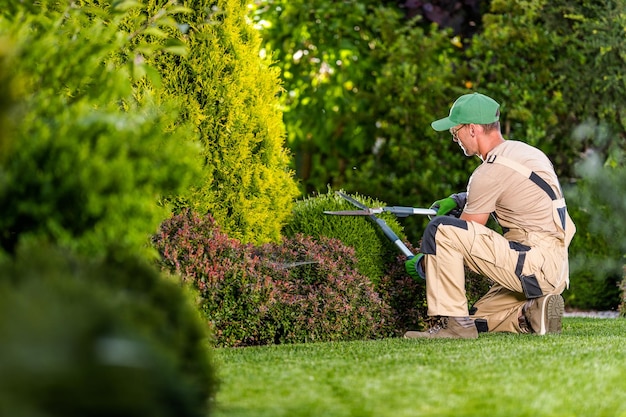
As each season brings its individual challenges and opportunities, having a tailored checklist for garden maintenance can assist maintain your garden environment flourishing throughout the year. In spring, emphasize on rejuvenation by checking ground health through examination and enhancement. Examine your garden tools, tidy any mess from the cold months, and develop a spring garden maintenance checklist to set up for planting. This is also the best period to prune dead or damaged plants and set up your sprinkler system as weather commence to climb.
Summer can be demanding and calls for engaged garden attention to ensure crops in good condition. Keep consistent watering schedules and monitor your plots for symptoms of strain or bug infestations. Regular removal of weeds and mulching are essential to keep humidity and prevent unwanted growth. Summer landscape care includes remaining alert about plant health, and implementing natural methods can minimize pest concerns. It’s equally crucial to determine nutrient requirements to facilitate growth during this high-energy time.
As the trees begin to change in autumn, change your attention to cleanliness and readiness for the colder months. Carry out necessary autumn garden maintenance chores like cutting bushes and picking up dropped leaves that can shelter insects. This is the perfect period for applying mulch, which provides protection and food to your soil. In addition, plan for wintertime garden care by safeguarding your sensitive plants from frost and creating a plan that ensures your landscape is prepared to hibernate while remaining ready for a vibrant comeback in spring.
Equipment and Methods for Efficient Gardening
Having the right tools is essential for successful garden maintenance. Every property owner should own fundamental gardening tools such as a good pair of pruners, a hand spade, and a strong rake. These tools help in performing everyday tasks like trimming, planting, and removing debris, making the maintenance process more effective. Opting for quality tools can save time and energy while ensuring your garden thrives throughout the year.
In addition to the basic tools, mastering efficient techniques can significantly boost your gardening efforts. Regular pruning not only keeps plants vigorous but also fosters new development and blooming. Implementing efficient irrigation practices helps conserve water while making sure your plants get the nourishment they require. Applying mulch is another crucial technique that protects soil moisture and minimizes weeds, leading to a more controllable garden.
Garden maintenance is not solely about labor; it also involves thoughtful planning and organization. Creating a maintenance schedule permits homeowners to monitor seasonal tasks, from weeding to fertilizing. Adopting sustainable practices, such as natural pest control and soil health management, can establish a more resilient garden environment. With the appropriate tools and techniques, maintaining a lovely garden can become an rewarding and satisfying experience.