

When it comes to navigating the complexities of property ownership, numerous individuals neglect the crucial role of surveyors. These specialists are the underappreciated heroes behind the scenes, ensuring that boundaries are precisely established, properties are adequately characterized, and construction projects follow legal and safety guidelines. Whether you are looking to buy a new home, develop property, or resolve a property dispute, understanding the work of surveyors is essential for making informed decisions.
In this discussion, we will investigate the different aspects of surveying, from the multiple forms of land surveys and their value to the current technologies that are transforming the industry. We will delve into why you should reflect on bringing in a professional surveyor, what to expect during a property survey, and how accurate surveying can protect you from potential legal troubles down the line. By bringing attention to these often-overlooked experts, we hope to show just how crucial surveyors are to property owners and developers alike.
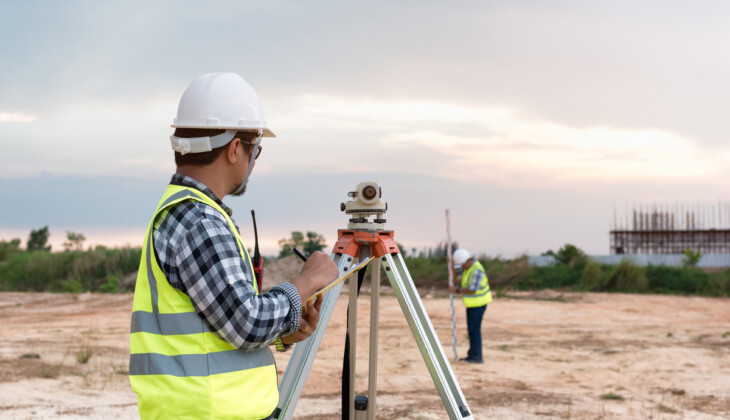
A Function of Survey Professionals in Real Estate Acquisition
Land surveyors play a vital role in property acquisition, confirming that terrain and properties are appropriately evaluated and cataloged. They deliver essential assistance that assist landowners in understanding their land's borders, land characteristics, and zoning laws. A land survey is often one of the first actions in purchasing real estate, as it verifies the size and shape of the land, allowing buyers make informed choices before finalizing a transaction. These calculations are essential for assessing the suitability of building, land use, and other uses of the land.
Additionally, surveyors are crucial for minimizing potential disputes related to land lines. By precisely establishing https://surveyorshampshire.com/ , they assist avoid disagreements with adjacent property owners and reduce the chance of costly lawsuits. A boundary survey can identify where one property ends and another starts, providing assurance for landholders. This is particularly critical in cities where parcels are densely packed together, making correct demarcation necessary for compliance with local regulations.
In addition to their role in defining property boundaries, surveyors also play a part in the planning and execution of real estate projects. They deliver detailed reports that feature information on terrain, current buildings, and potential obstacles, which are important for architects and contractors. By executing thorough surveys before building starts, surveyors facilitate that developments adhere to local codes and construction guidelines, ultimately safeguarding the investment of landowners. Their skill can avoid future issues that may arise from overlooking or confusion over land features and property lines.
Comprehending Various Categories of Property Surveys
Property assessments are available in various forms, every serving unique purposes customized to the demands of landowners and developers. A of the most prevalent types is the property line survey, that determines the specific perimeters of a property. This survey is vital for preventing conflicts with neighbors and ensuring that a property owner understands their rights and obligations regarding their land. By establishing well-defined property lines, boundary surveys aid in avoiding expensive legal wars that might arise from infringements or disputes over boundaries.
Additionally, a significant type is the topographic survey, which not just charts the boundaries of a property and also captures the natural and artificial characteristics of the land, including heights, shapes, and vegetation. These surveys are crucial for planning construction endeavors, as they supply data on drainage systems and likely challenges associated with the terrain. Comprehending the topography of a site can substantially impact the layout and positioning of buildings, streets, and other infrastructure, ensuring that projects are viable and tactically placed.
Moreover, there are customized surveys like the American Land Title Association and National Society of Professional Surveyors survey, notably significant in commercial property transactions. This type of survey adheres to demanding standards set by the American Land Title Association and the National Society of Professional Surveyors, delivering comprehensive information about land boundaries, rights of way, and infringements. For purchasers, an ALTA/NSPS survey provides a complete overview of potential issues that could impact the worth and usability of a property, rendering it an essential part of the investigation process in business real estate.
The Importance of Hiring a Expert Surveyor
When starting a real estate project, one of the most crucial steps is hiring the help of a qualified surveyor. Surveyors bring a abundance of expertise to the table, ensuring that all measurements are precise and comply with regulatory regulations. The accuracy they provide can prevent significant mistakes that may arise from inaccuracies, such as disputes over land boundaries or building errors. Their ability to analyze complex land data helps property owners make informed decisions, ultimately securing their investments.
Choosing a certified surveyor also enhances your reputation in various real estate transactions. A qualified surveyor's report can serve as a essential document, providing potential buyers with the assurance that the property has been accurately assessed. This confirmation not only fosters credibility but can also hasten the buying or selling process, as participants are more confident in the information presented. Furthermore, many financial institutions require a qualified survey before finalizing loans, making it a non-negotiable aspect of property acquisition.
In addition to the expertise, hiring a certified surveyor brings substantial peace of mind. Surveyors are well-versed in the latest best practices and technological advancements, which means they employ modern tools and techniques, such as Global Positioning System and drones, to deliver results efficiently. Their capability to navigate complex regulations and local zoning laws ensures adherence, reducing the likelihood of future litigious challenges. Ultimately, investing in a qualified surveyor not only adds value to your project but also mitigates risks associated with property ownership and development.