

The field of structural engineering is a domain that merges creativity, science, and practical problem-solving to create the buildings and infrastructure we see in our surroundings every day. At its foundation, structural engineering is about ensuring that structures can handle the forces they face while staying safe and functional for their specified application. From imposing skyscrapers to quaint residential homes, structural engineers play a critical role in shaping our constructed surroundings. If you’re interested in what makes a bridge resilient or how skyscrapers can soar high into the sky, grasping the principles of structural integrity is crucial.
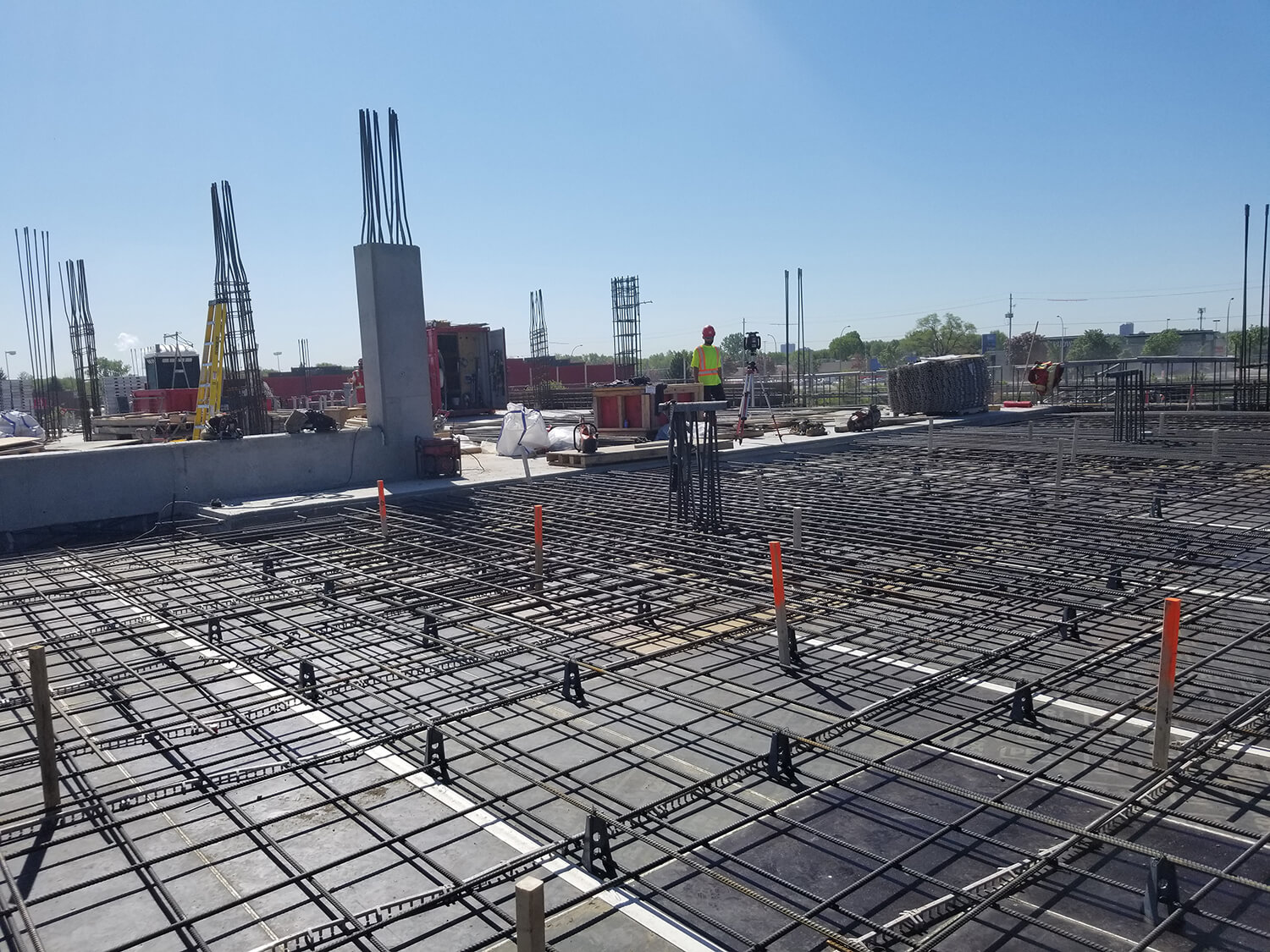
In this guide, we will explore key concepts and developments in structural engineering that have redefined the landscape of modern construction. We will delve into the role of structural engineers, showcasing their vital contributions to public safety and infrastructure development. Additionally, we will point out innovations and trends that are influencing the future of this captivating field. By the end of this exploration, you will have a better grasp of the fundamental principles that support structural integrity and an appreciation for the talented individuals behind some of the world’s most iconic structures.
Basics of Structural Engineering
This discipline is a subfield of engineering which focuses on the creation, evaluation, and construction of edifices which carry or resist loads. It guarantees the fact that buildings, overpasses, and various infrastructure can withstand the burdens they come across throughout their existence. This field blends principles of physical laws, mathematics, and material science to develop safe and optimal designs which satisfy both aesthetic and functional criteria.
A critical aspect of this field is grasping the performance of various substances in various situations. Structural engineers often employ concrete, steel, timber, and stone, each having unique traits that impact their performance in building. By analyzing how these substances respond to load, temperature changes, and surroundings, structural engineers can make knowledgeable decisions that improve the safety and durability of structures.
The role of a structural engineer stretches beyond mere mathematical computations and plans. Cooperation with designers and other stakeholders is crucial to guarantee the fact that a initiative's concept is fulfilled without jeopardizing protection. This collaboration helps address difficult construction issues while complying with building codes and laws, thereby resulting in new methods that contribute to the development of construction and metropolitan growth.
Advancements and Movements in Structural Engineering
The field of structural engineering is continuously advancing, adopting new technologies and methodologies that improve the planning and construction of buildings. One of the most significant innovations is the application of innovative materials such as reinforced concrete and composite materials. These substances allow for increased adaptability and strength, reducing the overall mass of structures while boosting longevity. As structural engineer Surrey , engineers can create lighter, more resilient structures that can withstand various environmental challenges.
Another movement transforming structural design is the incorporation of building information modeling. This software enables structural design professionals to develop detailed, 3D models of buildings before the construction process begins. By modeling the building process and identifying problems early, BIM facilitates better cooperation among architects, engineers, and builders. This forward-thinking approach not only simplifies the building process but also improves safety and reduces expenses.
Eco-friendliness has emerged as a driving force in structural engineering as well. Professionals in the field are more and more focused on green building practices, which entail using eco-friendly components and adopting sustainable designs. Developments such as modular construction and smart buildings are paving the way for a more sustainable future. These practices contribute to reduced waste and energy consumption, aligning structural engineering with global initiatives to address the effects of climate change.
A Crucial Function of Civil Engineers
Structural engineers serve as the cornerstone of modern construction, ensuring that buildings and infrastructure are designed to endure various forces and stresses. Their skills is critical in evaluating how multiple components of a structure interact, enabling safe and effective design. By employing principles of physics and material science, structural engineers can predict how structures will react during disasters such as earthquakes or heavy winds, making their role pivotal in safeguarding lives and infrastructure.
Collaboration is key in structural engineering, as these specialists work closely with architects and other engineers to turn designs to life. They interpret architectural visions into practical plans, making sure that aesthetics do not jeopardize safety and functionality. This partnership is essential for tackling the challenging design issues that arise during the construction process, where structural integrity must be upheld without sacrificing the creative aspects of the project.
As we move forward, the role of structural engineers will continue to develop with advancements in technology and shifts in societal needs. Sustainability is becoming a focal point, with a growing emphasis on green building practices that minimize environmental effects. As urbanization expands, structural engineers will play a critical role in designing intelligent infrastructure that meets the demands of modern society while prioritizing safety, durability, and ecological balance.