

Organizing a memorial service can be one of the most challenging responsibilities a family faces during a time of mourning. The loss of a loved one brings a flood of emotions, and the added pressure of organizing details often leads to chaos and stress. However, with the right method, organizing a funeral can be made simpler and more doable. This extensive guide is intended to help families navigate the detailed process of organizing a funeral, providing clarity on all aspects from financial planning to choosing the right services.
In this article, we will discuss each phase of the memorial organizing process, providing tips on how to initiate organizing a funeral for a loved one, understanding costs, and making decisions regarding burial or cremation. We'll also discuss the value of customization in honoring your loved one and how advanced planning can ease the stress on family members. Whether you are planning in advance or reacting to an unexpected loss, our aim is to equip you with the information and resources necessary to craft a personalized tribute that honors the legacy.
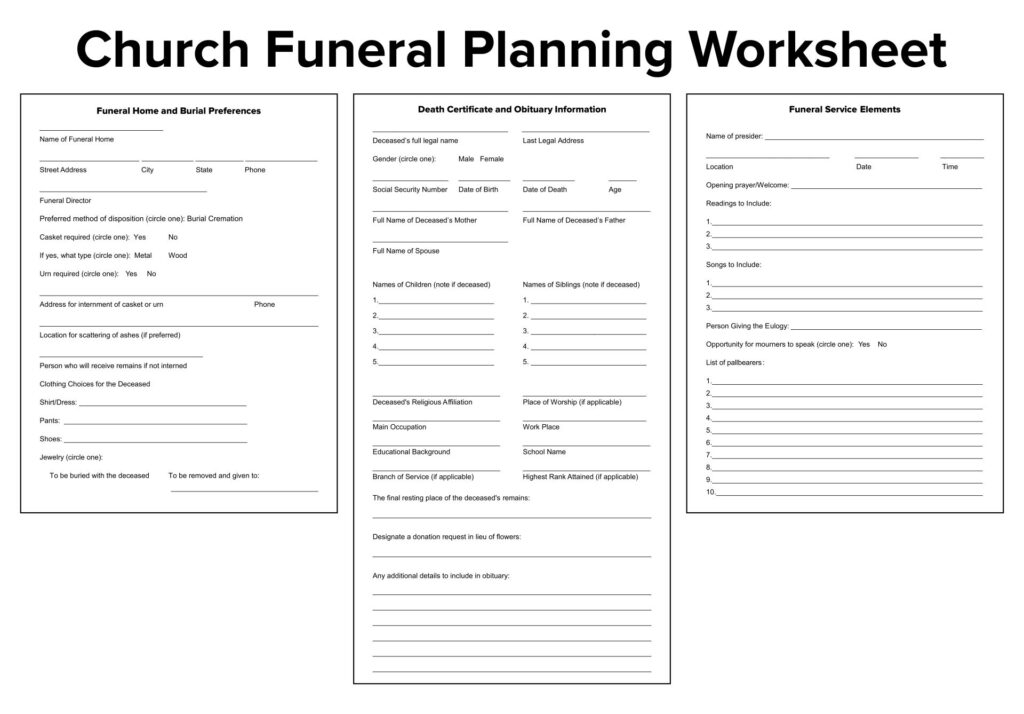
Key Actions in Tribute Planning
The first important action in funeral planning is to gather vital details about your deceased. This includes details such as their complete name, date of birth, and any specific requests they may have mentioned regarding their funeral. It's also essential to establish whether they had any prior arrangements or funded funeral plans in place. Understanding these elements can help streamline the planning process and ensure that requests are respected.
Once you have the essential data, the next phase is to discuss and decide on the type of service desired. Families often must choose between classic funerals, memorials, or celebrations of life based on the loved one's personality and values. This stage also entails deciding on whether the body will be interred or incinerated, as this decision can impact many other planning details. Engaging family members in this conversation can provide clarity and create support throughout the journey.
Finally, a well-structured tribute planning list is an invaluable resource to keep everything systematized. This list should encompass tasks such as selecting a service director, selecting a burial plot or cremation facility, and making choices about transportation, flowers, and service details. By systematically addressing each item on this checklist, families can reduce stress and ensure that no essential decisions are ignored, allowing for a meaningful tribute to their family member.
Understanding Expenses and Choices
As planning a funeral, one of the primary elements to consider is the cost. Funerals can fluctuate dramatically in price depending on various components such as the type of service, interment or incineration choices, and supplementary features like caskets and memorial stationery. It is crucial to research and comprehend the typical expenses connected with funerals to avoid any unexpected financial burdens. Creating a budget early in the planning process can help guide decisions and ensure resources are allocated effectively.
There are two primary choices when it comes to final disposition: burial or cremation. Both option has its unique cost implications. Traditional burials can be higher-priced due to the purchase of a burial plot, headstone, and ongoing maintenance fees. Conversely, cremation typically offers Funeral Planning Bridgnorth , but there are still costs involved such as the cremation service itself and any urn or memorial products. Understanding these differences can help families decide on the best path ahead that aligns with their budget and values.
In addition to burial or cremation costs, families should also be cognizant of various other expenses that may arise. These can include fees for funeral director services, transportation, and any permits needed. To make educated choices, families should request a detailed price list from funeral homes, known as a General Price List, which outlines all services and associated costs. By being proactive and well-informed, families can handle the financial aspects of funeral planning with more confidence and ease.
Customizing the Funeral Experience
Tailoring a funeral can create a meaningful tribute that reflects the distinct life of your loved one. Think about incorporating individual touches such as favorite music, photographs, or stories shared among relatives and friends. This could include showcasing a life timeline or a memory board where guests can share their reflections and anecdotes. The aim is to celebrate the distinctiveness of the deceased, allowing attendees to engage with the essence of their life during the service.
Additionally, you may want to consider the theme of the service. This could correspond with the interests, values, or passions of the deceased. For instance, if they were enthusiastic about plants, you could include floral arrangements that feature their favorite flowers or even a botanical theme for the service. Making these decisions can create a soothing environment for mourners and help them commemorate their loved one in a heartfelt way.
Finally, engaging family members and friends in the preparation can enhance the personalization of the memorial ceremony. Encourage them to share their thoughts or stories that can be integrated in the service. This collaborative approach not only honors the deceased but also brings family and friends together during a difficult time, reminding everyone of the support and affection that surrounds them.