

Lately, unmanned aerial vehicle technology has revolutionized the way we approach surveying in multiple sectors. As drone technology progresses, the applications for collecting precise data have gained significant traction. Organizations are utilizing drone surveys not only for their efficiency and also due to the clear advantages that are presented over conventional surveying techniques. In various fields, from construction to agriculture, the impact of drone surveys is evident in a variety of industries.
In this piece examines the rise of drone surveys, emphasizing the unique benefits associated with them, such as enhanced safety and financial benefits. We will investigate how these aerial devices are transforming workflows, enhancing data collection, and allowing for unprecedented precision in land development and infrastructure projects. By grasping the intricacies of drone surveying, professionals can harness this technology to bring their projects to new heights.
The Advantages of Drone Surveys
Drone surveys offer a variety of advantages that make them an favorable option for a variety of applications. One of the key advantages is their ability to cover large areas quickly and efficiently. Unlike traditional survey techniques that can be time-consuming and demanding, unmanned aerial vehicles can fly over expansive terrains in a fraction of the duration, capturing high-resolution imagery and data. This speed not only expedites project timelines but also allows for more frequent surveying, enabling instant data collection and adjustments.
Another notable advantage is the improved safety that using drones for surveys provide. In situations where surveying sites may be dangerous or difficult to reach, such as those involving steep slopes, risky buildings, or remote locations, drones can operate from a protected distance. This reduces the chance of injury to workers while still obtaining the essential data. Additionally, drones facilitate inspections of infrastructure and utilities without the need for supports or lifts, further reducing safety issues.
Affordability is another compelling reason to consider drone surveys for your next project. The decrease in labor costs, combined with the ability to collect more accurate data in less time, leads to considerable savings. Moreover, the techniques behind drone surveys, including photogrammetry, allows for very precise outputs, which can avoid costly mistakes down the line. This mix of speed, safety, and cost savings reinforces why more sectors are adopting drone technology for their surveying projects.
Comparing Drone Surveys to Traditional Methods
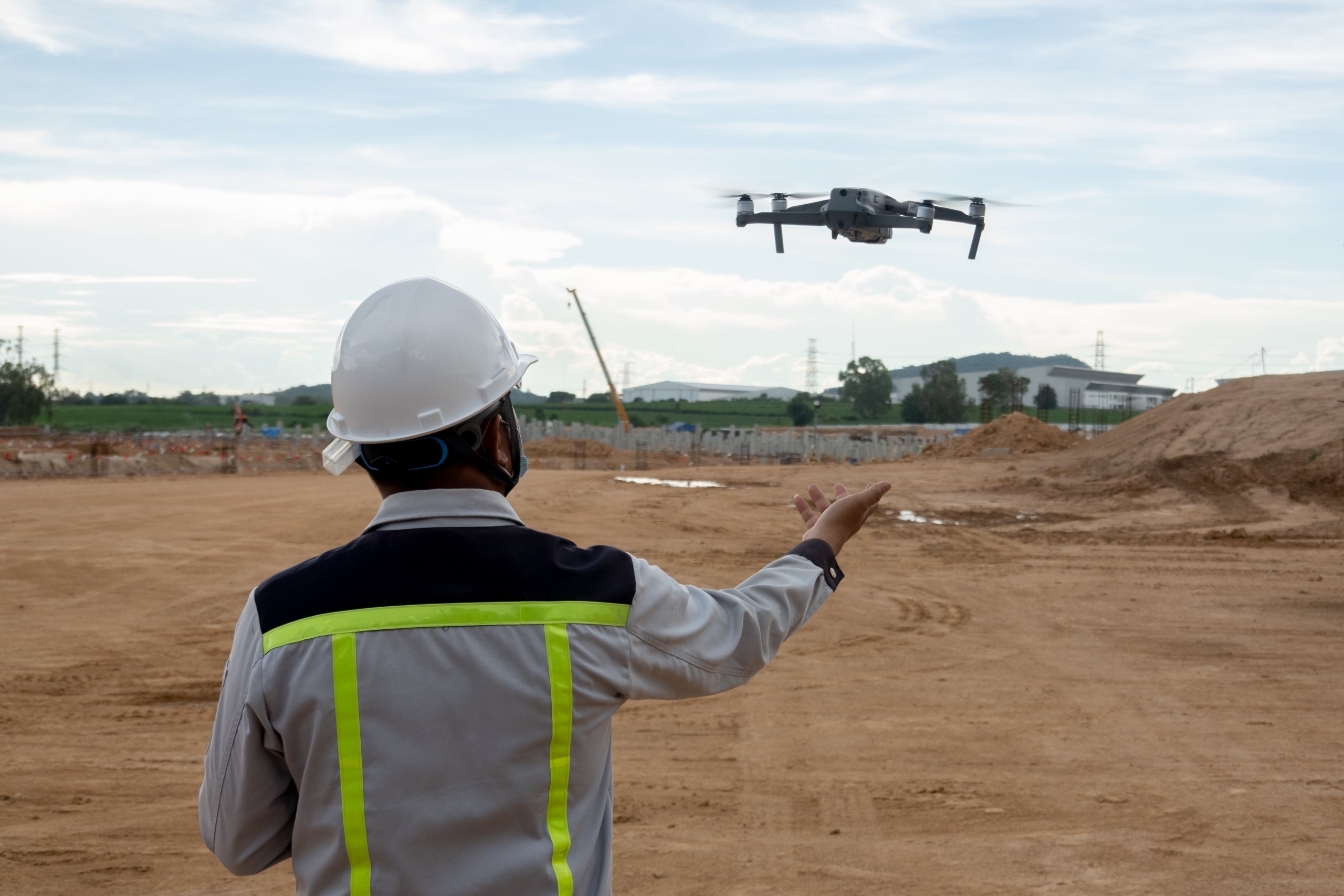
Drone surveys offer a contemporary choice to traditional surveying methods, greatly improving efficiency and precision. In contrast to conventional techniques, which typically rely on manual data collection and time-consuming procedures, drones can swiftly traverse extensive areas while collecting high-resolution images and data from various angles. This quick data gathering allows for a deeper analysis, minimizing the time required for surveying tasks and facilitating faster project completion.
Another notable difference, one cost-effectiveness associated with aerial surveys is significant. Drone Surveys Berinsfield Oxfordshire require extensive labor, equipment, and time, resulting in higher expenses. In comparison, drone surveys reduce these costs by minimizing labor needs and simplifying data collection and processing. Consequently, many projects can reduce both workforce expenses and materials, resulting in better budgeting and resource allocation.
Workplace safety is a key consideration in any surveying project, and drone surveys stand out in this aspect. Traditional methods often involve surveyors working in dangerous conditions, such as near steep cliffs or over large bodies of water. Unmanned aircraft can access these difficult locations without putting personnel at risk. Additionally, the use of drones reduces the chances of incidents associated with heavy machinery or high-altitude work, creating a safer work environment for everyone involved.
spintax
Emerging Trends in Drone Survey Technology
As unmanned aerial technology continues to evolve, one of the most significant trends is the merging of AI and machine learning. These developments allow drones to process data in immediate time, enhancing the effectiveness and preciseness of surveys. Predictive analytics will empower surveyors to predict and mitigate potential issues before they arise, providing valuable insights throughout the project lifecycle. This shift not only improves operational efficiency but also aids in decision processes, allowing for forward-thinking rather than responsive responses to challenges.
Another growing trend is the progress of drone self-operating capabilities and swarming technology. Future drones are projected to work collaboratively in multi-drone operations, allowing vast areas to be surveyed more quickly and comprehensively. This will be especially advantageous in major projects, such as infrastructure development and environmental monitoring. As laws become more lenient, the ability to use multiple drones simultaneously will drastically boost productivity and data collection efficiency.
Furthermore, the integration of improved sensor technology is paving the way for new uses in drone surveying. Technological advancements such as LiDAR, thermal imaging, and multispectral sensors are increasingly being adopted, offering surveyors a more comprehensive and varied perspective of the terrain. These cutting-edge sensors facilitate more reliable analyses for tasks like environmental assessments, building inspections, and agricultural planning. As these technologies become more reasonable and accessible, their integration into standard surveying practices is foreseen, ultimately reshaping industry standards and practices.