

As continues to evolve, industries worldwide are adopting cutting-edge solutions that boost productivity and correctness. One of the most significant developments in recent years has been the incorporation of unmanned aerial vehicle (UAV) surveys into different sectors, including infrastructure, agribusiness, and environmental assessment. With the ability to obtain clear aerial imagery and insights, drones are revolutionizing the way workers approach projects, ensuring exactness while significantly cutting duration and expenditure.
From topographical mapping to structural inspections, drone surveys offer a notable advantage over conventional methods. They provide in-depth insights that drive informed decision-making and improve project outcomes. In this article, we will examine the multiple benefits of drone surveys and delve into how they are reshaping the landscape of mapping, paving the way for a future where accuracy is paramount. Whether you are involved in land development, infrastructure, or environmental projects, understanding the advantages of these drone-based surveys could be a game changer for your next project.
Benefits of Drone Surveys
Drone surveys offer numerous advantages that are reshaping how projects are approached across various sectors. One of the most notable advantages is the rapidity and effectiveness with which information can be gathered. Traditional surveying methods can be slow and labor-intensive, often requiring multiple personnel and lengthy on-site visits. In comparison, unmanned aerial vehicles can survey large spaces in a small portion of the time, dramatically reducing the length of the inspecting process and allowing for faster initiative turnaround.
Additionally, the precision and precision of UAV inspections are noteworthy. Current unmanned aerial vehicles fitted with advanced sensors and cameras can collect high-resolution photos and data, guaranteeing that readings are trustworthy and uniform. This level of precision is crucial for tasks such as land mapping and infrastructure inspections, where even small mistakes can lead to major issues later. As technology continues to evolve, the dependability of UAV inspections is predicted to improve further, providing even greater value to interested parties.
Cost reduction are another strong reason to include drone inspections into initiatives. By enhancing productivity and reducing the need for substantial labor, UAVs can considerably lower overall survey costs. This is particularly beneficial for large-scale projects and environmental oversight projects, where traditional methods may result in prohibitive costs. As companies seek to maintain financial effectiveness while obtaining high-quality results, UAV inspections offer an attractive option that can enhance economic viability with initiative success.
Comparison with Conventional Methods
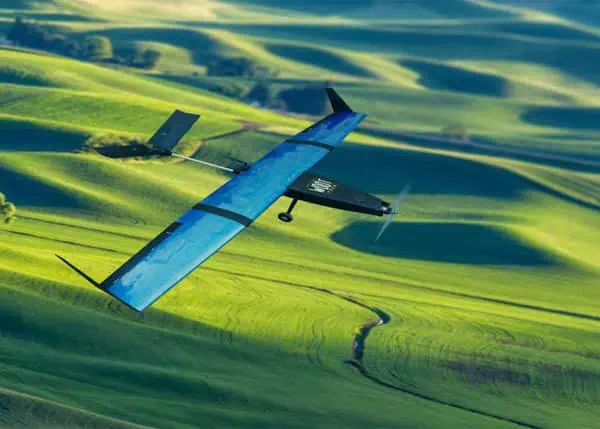
Drone surveys present significant advantages over traditional surveying methods, especially in regarding efficiency and accessibility. Conventional surveying often requires large-scale human resources and time-consuming processes, including establishing physical markers and gathering data point by point. In comparison, UAVs can span large areas quickly, capturing detailed images and data in a fraction of the time needed for traditional surveys. This fast data collection not just simplifies workflows but also facilitates quicker decision-making and project advancements.
A notable difference is found in the security and risk mitigation associated with drone surveys. Conventional methods sometimes force surveyors to reach hazardous or hard-to-reach sites, increasing the possibility of injuries or risks. UAVs, fitted with cameras and sensors, can safely gather data from these difficult sites without putting personnel at hazard. This aspect not just enhances safety but also reduces liability concerns for project stakeholders.
In terms of precision and data quality, drone surveys can exceed traditional methods. Modern drones utilize advanced technology, such as GPS and high-resolution imaging, to produce comprehensive and exact survey data. This degree of precision is particularly advantageous for applications such as terrain mapping and infrastructure inspections, where minute details are essential. While conventional methods can deliver accurate results, the efficiency and quality provided by drones make them a compelling choice for the modern surveying landscape.
Applications in Various Industries
Drones are transforming various industries by providing effective and cost-effective solutions. In the building industry, they enable precise site assessments and monitoring of progress. This results in enhanced accuracy in project planning, allowing companies to better allocate resources and avoid expensive delays. Additionally, drone surveys play a crucial role in identifying potential hazards and ensuring compliance with safety regulations on construction sites.
In agriculture, drone surveys are changing land management practices. They offer farmers the ability to monitor crop health, assess irrigation needs, and optimize inputs. By utilizing advanced imaging techniques, drones can provide detailed data on plant health and growth patterns, ultimately enhancing yields and efficiency. This technological shift allows for tactical planning and resource allocation that was previously unattainable with traditional methods.
Ecological assessment is another vital application of drone surveys. https://surveyoroxfordshire.co.uk/ facilitate the assessment of ecosystems, wildlife habitats, and areas affected by natural disasters. Drones can cover expansive areas quickly, making it easier to gather data for flood risk assessment or habitat restoration projects. Furthermore, the ability to integrate drone survey data with CAD software allows for thorough analysis and planning in environmental initiatives, leading to more informed decision-making and eco-friendly practices.