

Regarding maintaining the security and performance of electrical systems in the homes and businesses, routine electrician inspection condition reports, also known as EICRs, play a vital role. These detailed assessments not only ensure conformance with safety regulations but also help property owners recognize possible hazards and performance issues before they grow into costly repairs or hazardous situations.
Every property, be it residential or commercial, warrants a thorough examination of its electrical system. This article delves into the top five benefits of conducting routine electrical inspections, showing why getting an EICR is paramount for the safety, reliability, and longevity of your electrical installations. From reducing risks to knowledgeable decision-making when buying or selling a property, understanding the value of these reports can empower property owners and landlords alike to create healthier environments for all.
Understanding Power Installation Condition Assessments
An Electrical Configuration Status Report, commonly termed as an EICR, serves as an crucial file that assesses the safety and functionality of the electrical setup in the property. This document is a thorough analysis of the electrical systems, including the cabling, outlets, and safety elements. It detects any potential dangers or deficiencies that might create risk issues to both the residents and the property it.
This EICR is essential for both domestic and business premises, as it aids confirm that the power installations comply with existing safeness criteria. Routine inspections can show problems such as old wiring or defective junctions, allowing home owners to address these problems proactively. Additionally, having an recent EICR is usually a statutory necessity for property owners, offering an extra level of safeguard for residents.
After an Electrical Installation Condition Report has been performed, the report may label the configuration as either a acceptable or unacceptable. A acceptable report signifies that the configuration remains safe for operation, while an unacceptable result highlights necessary modifications or upgrades. Comprehending the findings and meanings of an Electrical Installation Condition Report enables building landlords make aware actions to enhance security and comply with regulatory demands.
Value of Frequent Electrical Inspections
Routine electrical inspections are crucial for maintaining the safety and operation of any premises. An Electrical Installation Condition Report, or EICR, provides a comprehensive assessment of the electrical systems in place. Properties with faulty wiring pose significant risks, including the potential for electrical fires and unsafe malfunctions. By having a certified electrician conduct routine inspections, property owners can identify issues before they escalate into risky situations.
Additionally, consistent inspections ensure adherence with current safety codes and standards. Electrician Inspection Condition Reports Fife is especially crucial for landlords, as having an up-to-date EICR is often a legally required. Regular checks help avoid potential liabilities, making it crucial for landlords to stay informed about their electrical systems. Moreover, properties that lack adequate inspections can lead to costly repairs down the line, as minor issues can evolve into more significant problems if left untended.
In conclusion, routine electrical inspections contribute to the overall efficiency of a property's electrical system. Electricians can spot energy-wasting appliances or inefficient wiring that may lead to increased energy bills. By resolving these problems, property owners can not only ensure the security of their occupants but also potentially lower operational costs. Therefore, committing to frequent electrical inspections is a smart choice for anyone looking to sustain a safe and effective property.
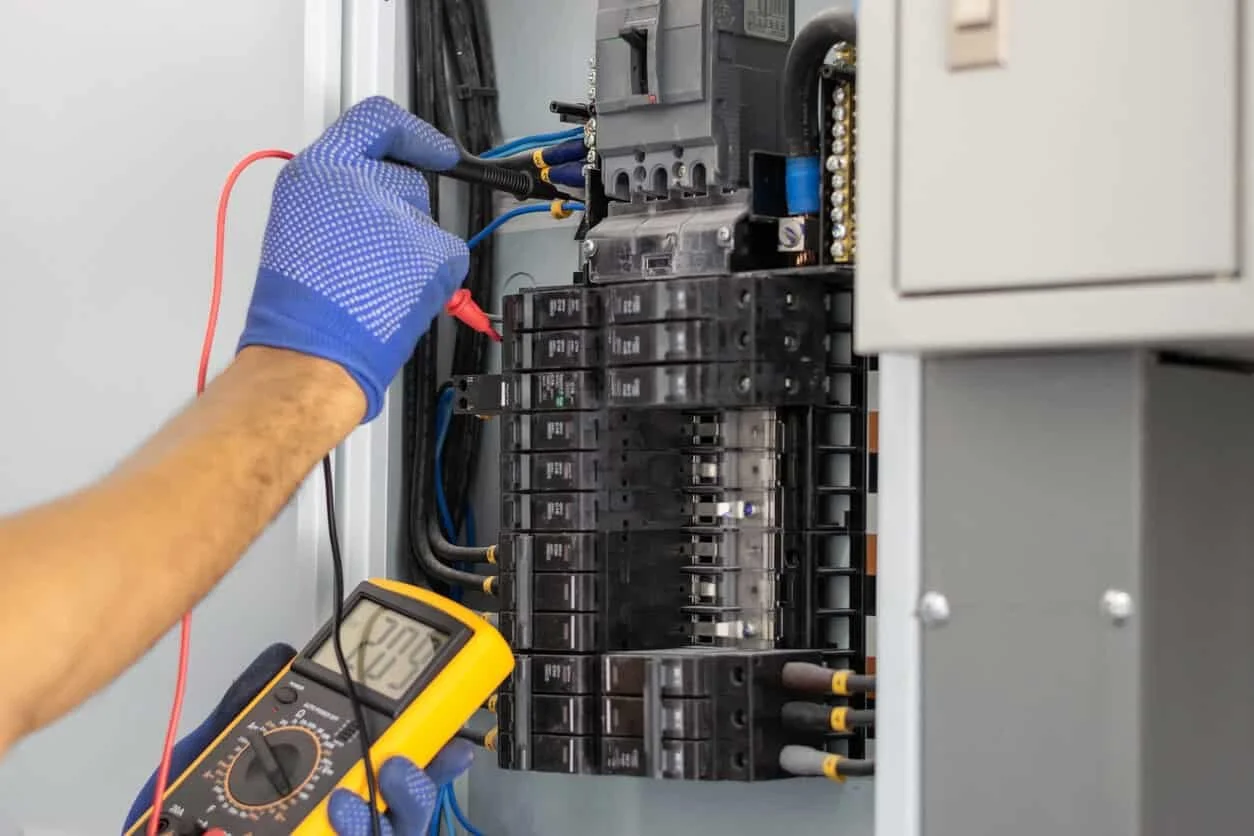
Getting Ready for an Electrical Condition Report
Prior to an Electrical Condition Report is performed, it is essential to get ready your property to ensure a smooth inspection process. Start by clearing access to your circuit panels, sockets, and any areas where electrical wiring is visible. This enables the electrician perform a comprehensive inspection without obstructions slowing down the process. Additionally, having your property adequately illuminated will assist the electrician in spotting any possible issues more easily.
Notifying your electrician about any previous electrical problems or upgrades is important. Share details regarding any odd behaviors of your electrical systems, such as frequently tripped circuit breakers or blinking lights. This information can aid target the inspection on areas that may need extra scrutiny. Being open about past issues allows the electrician to make informed assessments and recommendations in the final report.
In conclusion, consider checking your property’s electrical records, such as past Electrical Condition Reports, electrical plans, or compliance certificates. These documents can provide valuable context for the current inspection and help the electrician comprehend the history of your electrical setup. By gathering this information, you enable a smoother inspection process and make sure all relevant details are taken into account, which will leading to a more accurate condition report.