

When you embarking on a new construction project, whether it be constructing your desired home or renovating an existing space, the value of a main contractor cannot be overstated. irving garage contractor act as the core of the construction process, overseeing everything relating to first planning to complete execution. Understanding the function of a general contractor is important for homeowners hoping to manage the challenges of construction successfully.
In this complete guide, we will explore the essential role that general contractors perform, the distinctions between contractors and subcontractors, and the essential qualities that make for an outstanding contractor. We will also answer the most pressing questions to think about prior to contracting one, guaranteeing you’re equipped with the insight to choose wisely. From overseeing budgets and timelines to maintaining safety and compliance, general contractors are indispensable in turning dreams into reality, and understanding how to choose the right one can be crucial.
Grasping the Function of a Main Contractor
A main contractor acts as the central point of contact for a building project, overseeing every element from inception to completion. Their duties consist of coordinating between various contractors, overseeing timelines, and making sure that the project stays within financial limits. They are essential in communicating with clients to understand their vision and converting it into practical plans that can be carried out on the job site.
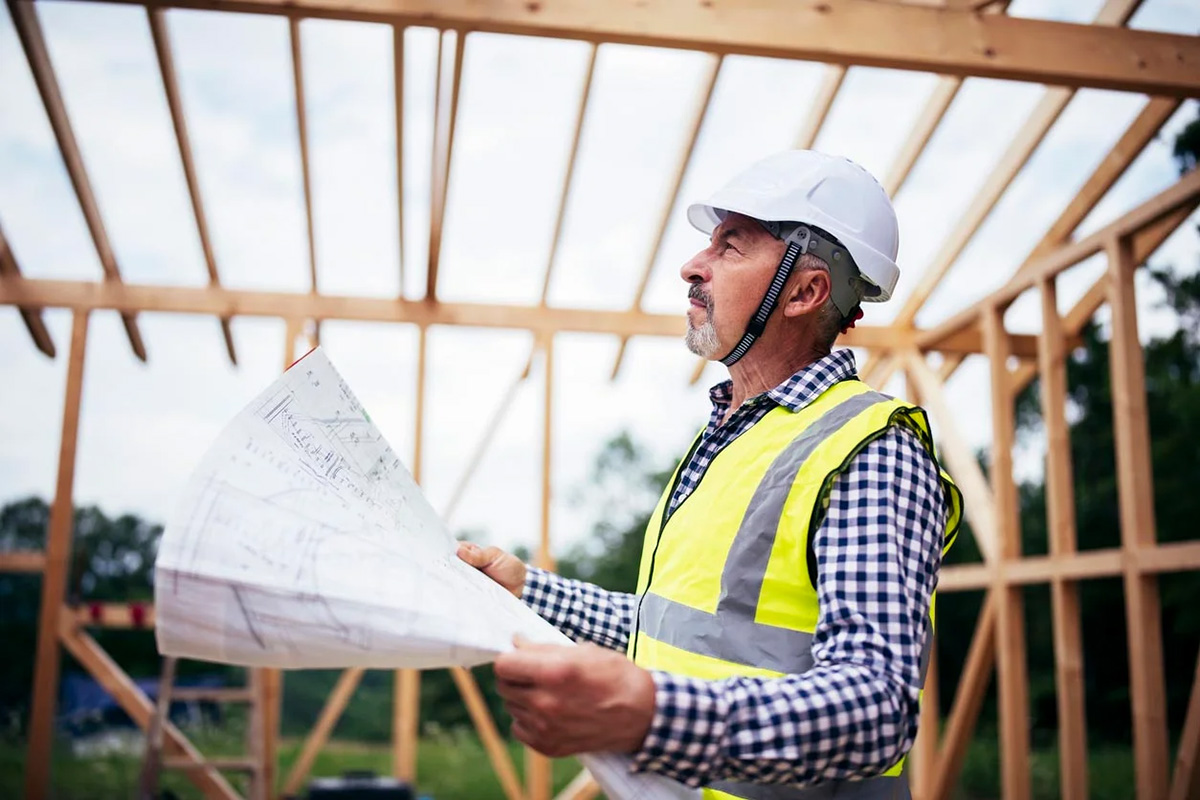
Besides managing the logistics, general contractors are also tasked with securing required permits and complying with local construction codes and regulations. This knowledge is vital in preventing legal issues and ensuring that the construction process operates smoothly. Their skill allows them to deal with the complexities of construction projects, assisting construct a secure and compliant environment for both workers and homeowners.
Furthermore, a proficient general contractor works closely with architects and engineers, ensuring that design plans are feasible and that materials are procured effectively. This collaboration enhances the general quality of the project, as general contractors apply their real-world experience to identify potential challenges before they arise. As a consequence, they play a key role in maintaining the stability and quality of the building process, ultimately delivering a finished product that meets or surpasses the expectations of their clients.
Engaging a General Contractor Specialist: Key Considerations
As you contemplate the employment of a main contractor, it is essential to evaluate their background and expertise in managing comparable projects. Look for someone who has a proven history in your type of building or remodeling, whether residential or corporate. Request referrals and check their past work to confirm they meet your criteria. A knowledgeable contractor will also have the practical skills but will also understand local zoning laws and requirements, which is essential for a effective project.
Dialogue is another vital aspect to consider when hiring a main contractor. Setting up a defined line of dialogue from the beginning can reduce effort and prevent confusions later on. During initial meetings, assess their openness to understand your ideas and thoughts. A top-notch contractor will ensure you updated throughout the project and be attentive to your questions, ensuring that both sides are in agreement on the project's aims and schedules.
In conclusion, assess the cost factors of employing a general contractor. Obtain detailed estimates and understand their payment structure before proceeding. Be mindful of estimates that look suspiciously low, as they may indicate a shortfall in standards or unexpected charges. A dependable contractor will present a clear summary of costs, including labor, resources, and surprises. This clarity will enable you plan effectively and avoid potential financial pitfalls down the line.
A Outlook of General Contracting
This prospect of traditional contracting is on the verge of substantial change driven by progress in technology and evolving industry demands. Construction Modeling, for example, alters how projects are structured and managed, enabling contractors to visualize projects in a 3D environment before breaking ground. This change not only improves collaboration between stakeholders but also minimizes errors and rework, ultimately leading to a more effective construction process. As such technologies become more accessible, general contractors will need to evolve to keep relevant and satisfy the expectations of clients who are increasingly proficient with technology.
Eco-friendliness is yet another key aspect shaping the prospect of traditional contracting. With a heightened focus on sustainable building practices, general contractors will play a essential role in implementing sustainable materials and energy-efficient designs. Clients are becoming more mindful of their ecological footprint and are seeking contractors who focus on green building practices. This trend will compel contractors to enhance their knowledge of sustainable solutions, ensuring that they can offer projects that conform to contemporary green values.
In conclusion, the industry will see a higher emphasis on staff development and training as the need for skilled labor continues to grow. General contractors will need to put resources into their teams to make sure they are trained with the newest skills and knowledge in construction techniques and technologies. This emphasis on training will not only boost project outcomes but will also assist to engage a new generation of workers to the construction field, stimulating innovation and efficiency in the industry as it progresses.