

When an loved one dies, the emotional weight can seem immense. In such trying moments, funeral directors step in not just as professionals, but as compassionate supporters to help families manage the challenges of letting go. Their function extends well beyond the arrangements of organizing a funeral; they offer essential support, ensuring that all detail is managed with sensitivity and consideration. Understanding how to choose the best funeral director can significantly ease the burden on grieving families and help create a meaningful farewell that respects the departed.
Funeral directors play a key role in the funeral planning process, providing a selection of services tailored to satisfy the specific needs of every family. From arranging transportation and handling paperwork to personalizing memorial services and providing grief support, they are there throughout the journey. As we explore the different aspects of funeral services, it is crucial to recognize the significance of their work and how they can help families during such life’s truly challenging moments. Whether contemplating conventional burial options, innovative services, or even pre-planning arrangements, understanding the scope of services provided by funeral directors can bring peace of mind and clarity during a difficult time.
Choosing the Suitable Funeral Director
Choosing a funeral director is a deeply personal decision that can greatly impact your family's experience during a difficult time. Start by looking for get more info from trusted friends, family members, or community organizations. Research local funeral homes and directors online to obtain information about their services, reputation, and customer reviews. Search for directors who are compassionate, attentive, and willing to listen to your needs and preferences. This preliminary groundwork helps you create a shortlist of potential candidates who match your family's values and expectations.
Once you have picked a few funeral directors, book meetings to review your options and pose questions. Inquire about the range of services they provide, their fee structure, and how they manage various aspects of the funeral process. Notice how they communicate and whether they make you feel at ease and understood. Discuss any specific requests or personalization you foresee for memorial services, as a competent funeral director will be willing to understand and accommodate your wishes.
Lastly, consider the logistics of the funeral home address, convenience, and their experience with various types of services, such as traditional ceremonies, cremations, or eco-friendly options. Understanding their approach to grief support and how they assist families during difficult times can also be crucial. Taking an informed choice will ensure that you can honor your loved one in a way that reflects their life and the memories you hold dear.
Understanding Funeral Arrangements and Planning
Funeral arrangements play a vital role in remembering a departed friend while giving support for those remaining. This journey consists of various components, from traditional rituals to contemporary celebrations of life, allowing families to choose an option that best reflects the personality and wishes of the deceased. Comprehending the different types of services available can aid families take wise choices during an difficult time. Whether selecting for a interment, incineration, or another form of commemoration, acknowledging individual choices and family values is essential.
Planning a funeral involves several key actions that can feel overwhelming, but memorial service providers are experienced to ease this burden. They assist families through the complete preparation procedure, helping to organize aspects such as transportation, commemorative services, and essential paperwork. This support is necessary in the challenging period following the death of a loved one, enabling families to prioritize grief and memory rather than logistical concerns. Memorial service providers ensure that all parts of the service align with the family's preferences and the departed's values.
Additionally, advance planning memorial services can significantly reduce anxiety and confusion for families. By addressing preferences in prior, individuals can ensure peace of mind and make sure that their wishes are fulfilled after they depart. Prearranged memorial arrangements can also ease financial burdens during a challenging time. Knowing all available choices and services can empower families to create a personalized tribute that shows the love and respect they have for their departed, rendering the process more reassuring and less daunting.
Personalization and Assistance in Memorial Arrangements
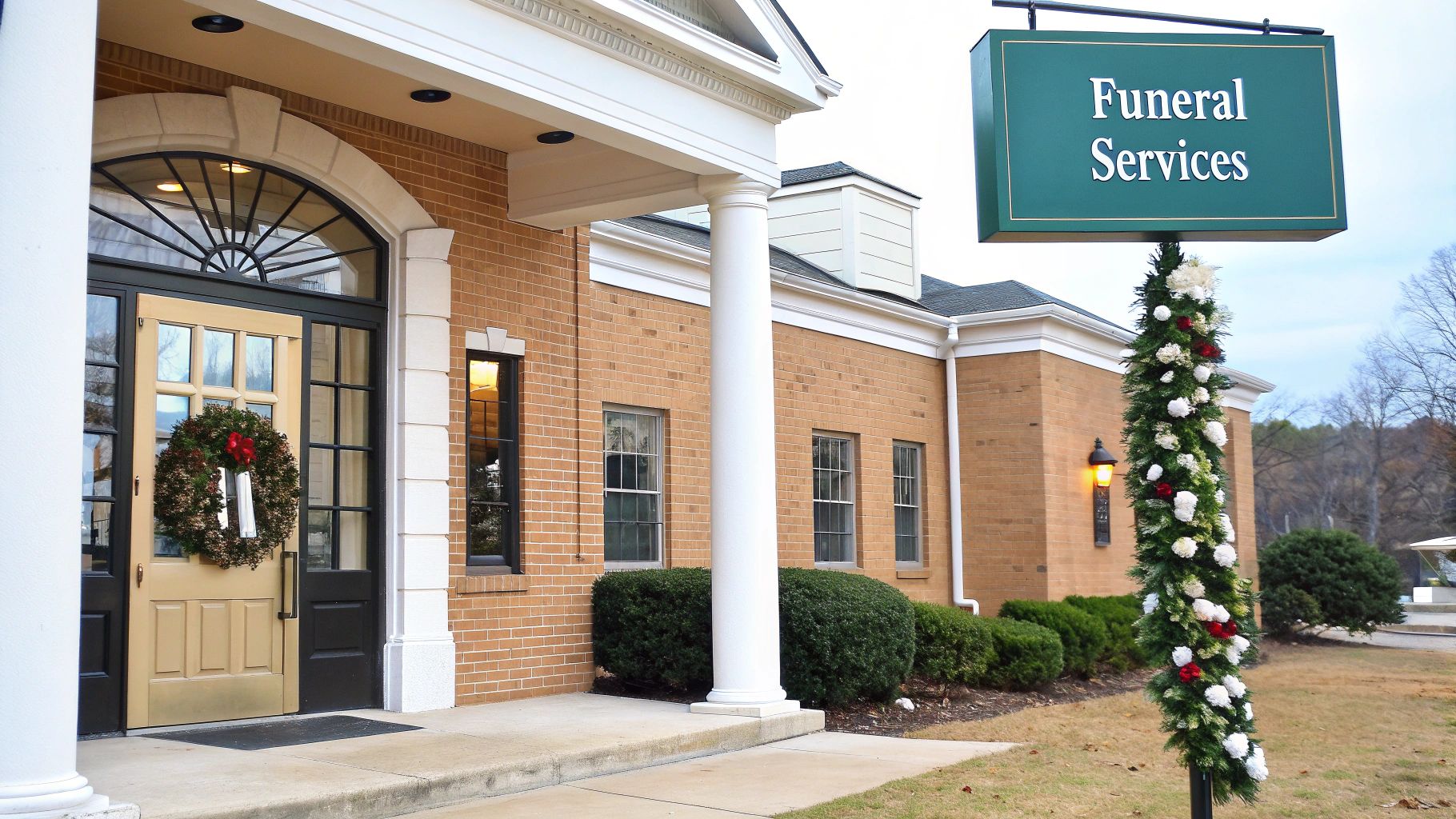
Funeral directors play a significant role in personalizing memorial services to represent the individual lives of deceased. They appreciate the importance of creating meaningful tributes that celebrate the lost individuals and offer solace to mourning families. By incorporating personal elements such as beloved songs, pictures, and memories, funeral directors help create services that resonate profoundly with guests. They often work closely with families to ensure that all aspects aligns with the legacy and personality of their loved ones.
In addition to customization, funeral directors provide essential support during difficult times. The loss of a loved one is an emotional experience, and funeral directors provide not just logistical assistance but also compassionate care. They guide families through the complexities of the arrangement process, offering guidance on decisions such as burial or cremation, service options, and commemoration choices. Their expertise helps alleviate some of the burdens families face, allowing them to concentrate on honoring their deceased while receiving the essential guidance.
Additionally, the function of funeral directors includes to bereavement support, recognizing the need for families to navigate their feelings during this challenging period. Many directors are skilled to provide resources or referrals to grief counseling or groups for support. This holistic approach ensures that families receive not only practical assistance but also emotional support, fostering recovery in the wake of loss. By focusing on both personalization and compassionate care, funeral directors make the process of bidding farewell as significant and nurturing as feasible.