

Recently, vaping has risen as a favored option for adult smokers seeking to lessen their dependency on conventional cigarettes. With rising awareness of the health risks associated with smoking increases, many are exploring the positive aspects of vaping. This article explores the multiple upsides of vaping, including its capability to provide a more pleasant experience for vapers while reducing exposure to harmful chemicals commonly present in cigarettes.
With a multitude of vaping devices and flavor options available, vaping enthusiasts are presented with unique advantages that make the switch easier. Understanding the main distinctions in the comparison of vaping and smoking is crucial for those thinking about this change. This exploration will tackle frequently asked questions, dispel myths, and point out how vaping not only changes the process of consuming nicotine but also fits within broader harm reduction strategies, making it a worthwhile option for many.
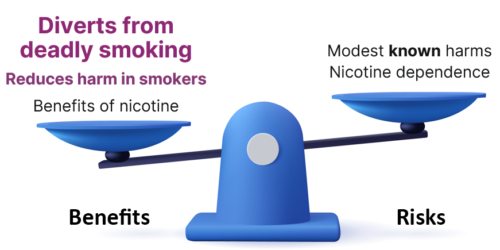
Grasping Vaping compared to Smoking
The primary difference between vaping and traditional smoking lies in the method of delivering nicotine products and other substances. Smoking typically involves the combustion of tobacco, which creates smoke filled with toxic tar and numerous compounds. In opposition, e-cigarette use employs a device to vaporize a solution, known as vape juice, which holds nicotine with various additives and different compounds. This procedure produces vapor instead of smoke, leading in a different inhalation experience for consumers.
The medical implications related with vaping as contrasted to smoking are also important. Research implies that e-cigarette use tends to expose users to a lower number of toxic substances compared to traditional cigarettes. While definitely entirely free of risks, the nonexistence of combustion in e-cigarette use reduces the inhalation of many carcinogens and dangerous byproducts produced during tobacco product combustion, possibly making it a less harmful alternative for mature smokers seeking cease or cut down on their smoking consumption.
For many adult smokers, the decision to transition to e-cigarette use frequently stems from a desire to lessen health hazards and enhance their way of life. E-cigarette use offers a Tailored experience, allowing vapers to select flavor options, nicotine levels amounts, and device types that fit their tastes. This flexibility not only meets to personal tastes but also serves a crucial role in assisting smokers shift away from traditional smoking, contributing to a larger dialogue about reducing harm and better living.
Health Consequences of E-cigarettes
Vaping presents a significant alternative to conventional smoking, particularly when it comes to medical implications. In contrast to combustible tobacco, which release residue and a wide range of toxic chemicals, e-cigarette devices utilize e-liquids that typically contain less harmful substances. This difference significantly reduces the user's risk to dangerous byproducts associated with tobacco combustion. Research indicate that switching from traditional tobacco use to e-cigarettes can lead to improved respiratory health and lowered levels of CO in the bloodstream, making it a possibly safer choice for those looking to quit smoking.
An additional important aspect of vaping is the ability it offers over nicotine intake. Using e-cigarettes allows users to select varying levels of nicotine, enabling a more customized approach to managing their urge to smoke. This flexibility is beneficial for individuals aiming to gradually reduce their nicotine intake. Moreover, the absence of numerous harmful substances frequently present in conventional cigarettes means that smokers transitioning to e-cigarettes may experience less negative health consequences, thus helping long-term health improvements.
Moreover, as e-cigarettes produces vapor instead of smoke, the implications for passive smoke exposure are considerably lower. Research suggest that vapor contains less harmful chemicals, which may result in lower chances for those nearby. This characteristic of e-cigarettes addresses a common criticism of smoking while providing a more socially acceptable alternative for addiction consumption. In conclusion, grasping the medical implications of vaping versus smoking is crucial for adults thinking about transitioning.
Practical Aspects for Moving to E-Cigarettes
When thinking about the transition from old-fashioned smoking to e-cigarettes, it is crucial to examine the various devices on the market. The current market offers a wide array of choices, ranging from single-use e-cigarettes to sophisticated box mods. Each type has its distinct characteristics, user-friendliness, and battery longevity. Knowing the distinctions will help users select a device that matches their way of life and choices. Additionally, beginners may want to begin with more straightforward devices that are simple to operate, allowing for a more seamless transition.
A further important factor to take into account is the range of liquid flavors and nicotine strengths provided. Numerous smokers find the myriad of options of flavors attractive, as they can enhance the complete enjoyment of e-cigarette use. It is vital to try out with various nicotine levels to find the one that fulfills individual cravings while lowering dependence gradually. This individualized approach can assist in making vaping more satisfying, which may help the transition away from conventional cigarettes.
Lastly, it is crucial to recognize the monetary implications of transitioning to vaping. Even though cali vapes in a e-cigarette device may be greater than buying a pack of cigarettes, eventually, e-cigarettes can be cheaper. Frequent smokers often find that the cost of liquid refills and coil changes is significantly lower than the continued expense of cigarettes. Assessing personal expenses on smoking in relation to e-cigarettes can offer clarity and likely highlight significant savings in the future.