Organizing a memorial service can be an daunting experience, especially during a time of mourning and heartache. It is a important task that requires careful consideration and planning, as it serves as a lasting tribute to a loved one’s life. Understanding the steps required in funeral planning can not only alleviate the burden but also ensure that the ceremony reflects the deceased’s personality and honors their memory in a fitting way.
In this article, we will guide you through various aspects of funeral planning, providing you with essential tips and resources. From learning the difference between funeral and memorial planning to exploring options that suit your budget, our step-by-step guide will enable families to make informed choices while navigating this emotional journey. Whether you are planning in advance or dealing with an unexpected loss, being armed with the proper information can turn a challenging situation into a celebration of life.
Crucial Actions for Funeral Planning
When faced with the loss of a dear one, managing the funeral planning process can seem daunting. The first essential action is to determine the kind of service desired, whether it's a traditional funeral or a more personalized celebration of life. Understanding the wishes of the departed and their family can guide this decision, making the service both meaningful and reflective of the person's unique qualities.
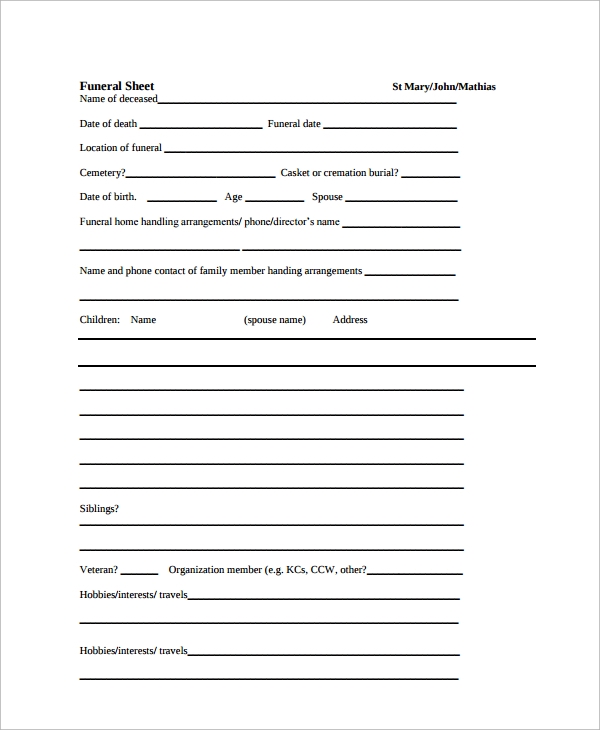
Furthermore, it's important to create a comprehensive checklist that covers all the essential tasks involved in planning the funeral. This may include selecting a funeral home, choosing burial or cremation options, and arranging details such as transportation, obituary writing, and venue selections. Having a checklist helps make certain that no important elements are missed during this emotionally charged time.
Ultimately, families should think about budgeting for the funeral, as costs can fluctuate significantly based on decisions made. It's beneficial to honestly discuss financial parameters and explore available options, including any benefits for veterans or specific allowances from funeral homes. By addressing financial aspects early on, families can reduce some of the burden and concentrate on honoring their loved one's memory with a fitting farewell.
Financial Planning and Pricing in Memorial Planning
Grasping the costs associated with funeral arrangements is vital for loved ones to make wise decisions. Memorial expenses can differ widely based on location, services chosen, and personal preferences. Common expenses include assistance from memorial directors, coffins or urns, transportation, and venue hire. By analyzing funeral directors and researching local prices, loved ones can establish a feasible budget that aligns with their desires and economic circumstances.
Organizing a memorial on a budget does not imply forgoing significant moments or celebrating a loved one's memory. Many families find that customizing a ceremony can be accomplished without substantial monetary burden. Simple yet impactful options like incorporating favorite music, photos, or heartfelt speeches can create a touching tribute. Exploring alternatives, such as direct cremation or memorial services in a park, can also be cost-effective while still allowing for a lasting send-off.
It is necessary to have open conversations with family members about monetary expectations. Talking about monetary limitations openly can help avoid confusions and anxiety during a difficult time. Numerous funeral homes provide package deals which can help loved ones control expenses more effectively. Additionally, researching burial versus cremation options can offer insight on long-term costs and allow loved ones to make choices that truly honor the deceased's desires and beliefs.
Customization and Cultural Aspects
Designing a memorable funeral service necessitates personalization that represents the story and values of the deceased. Incorporating https://zenwriting.net/rotatenation89/celebrating-remembrances-suggestions-for-significant-funeral-ceremonies , such as popular songs, pictures, or anecdotes, aids celebrate personal stories and can provide comfort to those in sorrow and friends. Inviting attendees to offer memories or messages can also improve the feeling of togetherness and support at the service.
Cultural customs play a important role in determining how a funeral is organized and conducted. Different cultures may have distinct rituals, prayers, and traditions that celebrate the deceased. Being mindful of these differences is important for guaranteeing that the service connects with the beliefs and traditions of the bereaved family and community. Collaborating with family members about their cultural wishes can help in developing a respectful and significant experience.
When tailoring a funeral based on unique traits and cultural considerations, it is crucial to ensure open dialogue with family members. Reviewing wishes and desires helps address any potential conflicts and ensures that everyone feels valued in the process. This team-oriented approach not only respects the spirit of the loved one but also nurtures healing and bonding among those left behind.